Building Emotionally Intelligent Children: Where Gottman Meets The Parenting Pyramid
As parents, we’re constantly seeking frameworks that help us raise children who are not only successful but genuinely happy and emotionally healthy. Two powerful approaches have shaped my understanding of effective parenting: John Gottman’s research on emotional intelligence in children and The Arbinger Institute’s revolutionary Parenting Pyramid. When combined, these methodologies create a comprehensive roadmap for nurturing emotionally intelligent, self-aware children.
The Foundation: Understanding Our Own Heart
The Arbinger Institute’s Parenting Pyramid places “heart” at its foundation – the recognition that our internal state as parents fundamentally shapes our children’s development. This aligns perfectly with Gottman’s emphasis on parents becoming “emotion coaches” for their children. Before we can guide our children through their emotional landscape, we must first examine our own.
When we’re in what Arbinger calls the “box” – viewing our children as objects rather than people – we unconsciously transmit this energy to them. Our children sense when we see them as problems to be solved, projects to be completed, or reflections of our own success or failure. This objectifying mindset creates emotional distance and prevents the very connection that Gottman identifies as essential for emotional coaching.
The path forward requires us to step out of the box and see our children as whole people with their own hopes, fears, dreams, and legitimate needs. This shift in perspective creates the emotional safety necessary for authentic connection and learning.
The Framework: Gottman’s Emotion Coaching
Gottman’s research reveals that emotionally intelligent children have parents who serve as emotion coaches. These parents follow a five-step process:
Becoming aware of emotions – both their own and their children’s
Recognizing emotions as opportunities for connection and teaching
Listening empathetically and validating their child’s feelings
Helping children label emotions and understand their emotional vocabulary
Setting limits while problem-solving together
This process only works when built on the foundation of genuine care for our children as people, not just as recipients of our parenting techniques.
The Integration: Seeing Through Clear Eyes
When we combine these approaches, we discover that effective emotional coaching requires us to be “out of the box” in our fundamental orientation toward our children. Consider this scenario:
Your eight-year-old comes home from school upset because a friend excluded them from a group activity. If we’re in the box, we might:
Immediately jump to problem-solving mode
Minimize their feelings (“You’re being too sensitive”)
Make it about us (“This reflects poorly on how I’ve raised you”)
Focus on changing the child rather than understanding them
But when we’re out of the box, seeing our child as a person with legitimate feelings, we can engage in authentic emotion coaching:
Awareness: We notice our child’s emotional state and our own reaction to it.
Opportunity: We recognize this as a chance to deepen our connection and help our child develop emotional skills.
Empathy: We listen fully, validating their experience: “That sounds really hurtful. It makes sense that you’d feel left out.”
Labeling: We help them identify and articulate their emotions: “It sounds like you’re feeling disappointed and maybe a little angry too.”
Problem-solving: Together, we explore ways to handle similar situations in the future while maintaining appropriate boundaries.
The Transformation: From Technique to Relationship
The magic happens when we realize that emotional intelligence isn’t something we teach our children – it’s something we model and co-create with them. When our hearts are right, when we genuinely see our children as people worthy of respect and understanding, the techniques become natural expressions of our care rather than manipulative tools.
This integration requires us to:
Examine our motivations regularly: Are we emotion coaching because we genuinely want to help our child, or because we want to appear like good parents? The energy behind our actions matters more than the actions themselves.
Practice self-regulation: We cannot teach emotional intelligence while we’re emotionally dysregulated. Taking time to center ourselves before engaging with our children’s emotions is crucial.
Embrace the learning process: Both we and our children are learning to navigate emotions together. Perfection isn’t the goal – connection and growth are.
The Daily Practice: Small Moments, Big Impact
Emotional intelligence develops through countless small interactions rather than grand gestures. When we maintain an out-of-the-box heart toward our children, we naturally create more opportunities for emotional coaching:
The bedtime routine becomes a time for emotional check-ins
Car rides transform into safe spaces for sharing feelings
Conflicts become opportunities for teaching rather than battles to be won
Mistakes become learning moments rather than failures
The Long-term Vision: Raising Emotionally Intelligent Adults
When we consistently approach our children from this integrated perspective, we’re not just helping them manage their current emotions – we’re building the foundation for their future relationships, their resilience in facing life’s challenges, and their capacity to make meaningful contributions to the world.
Children who grow up with parents who see them clearly and coach them emotionally develop:
Strong self-awareness and emotional vocabulary
Healthy relationship skills
Resilience in facing difficulties
Empathy for others
Confidence in their ability to navigate life’s complexities
The Invitation: Start Where You Are
You don’t need to be perfect to begin this journey. Start by examining your own heart. In your next interaction with your child, pause and ask yourself: “Am I seeing them as a person right now, or as a problem to be solved?” Let that awareness guide you toward more authentic connection.
Remember, the goal isn’t to raise children who never feel difficult emotions – it’s to raise children who can navigate their emotional world with wisdom, compassion, and resilience. When we combine the clear vision of an out-of-the-box heart with the practical tools of emotion coaching, we create the conditions for our children to thrive emotionally and relationally.
The path to raising emotionally intelligent children begins with our own transformation. As we learn to see our children clearly and coach them with genuine care, we discover that we’re not just shaping their emotional development – we’re deepening our own capacity for love, understanding, and authentic connection.
Discover Your Governing Purpose: The Secret to Living a Life That Truly Matters
Why the most successful organizations—and people—all have one thing in common
The Wake-Up Call Most of Us Need
Picture this: You’re lying in bed on a Sunday night, that familiar knot forming in your stomach as you think about Monday morning. You’ve got a decent job, your bills are paid, and from the outside, everything looks fine. But deep down, something feels… missing. You go through the motions, check the boxes, but you can’t shake the feeling that you’re living someone else’s life.
If this sounds familiar, you’re not alone. Studies show that 70% of people feel disengaged from their daily activities, and many report feeling like they’re just “going through the motions” rather than living with intention and purpose (Gallup, 2023).
But here’s what the most successful companies—and the happiest people—know that others don’t: they all have a governing purpose.
What Is a Governing Purpose (And Why You Need One)?
A governing purpose isn’t just a fancy mission statement you frame and forget. It’s your fundamental reason for existing—the core principle that guides every decision you make and gives meaning to everything you do.
Think about companies like Patagonia, whose purpose is “to save our home planet,” or Disney, which exists “to entertain, inform and inspire people around the globe.” These aren’t just marketing slogans—they’re the North Star that guides every business decision, from product development to hiring practices.
When applied to your personal life, a governing purpose becomes your internal compass, helping you navigate life’s complexities with clarity and confidence. Research from the University of Michigan found that people with a strong sense of purpose live an average of seven years longer and report significantly higher levels of life satisfaction (Hill & Turiano, 2014).
The Science Behind Purpose-Driven Living
The benefits of having a clear governing purpose aren’t just feel-good psychology—they’re backed by solid research:
Physical Health Benefits
Better sleep quality: People with purpose report 63% less sleep disturbance (Kim et al., 2015)
Stronger immune system: Purpose-driven individuals show better stress resilience
Increased longevity: Clear purpose correlates with a 15% reduction in mortality risk
Mental and Emotional Benefits
Lower rates of depression: Purpose acts as a protective factor against mental health challenges (Pfund & Lewis, 2020)
Greater resilience: People with purpose bounce back faster from setbacks
Enhanced decision-making: Clear values make choices easier and more satisfying
Relationship Benefits
Deeper connections: Purpose-driven people attract like-minded individuals
Better conflict resolution: Shared values provide a framework for working through differences
Stronger families: Children of purpose-driven parents show better outcomes across multiple measures
Your Governing Purpose vs. Your Goals
Here’s where most people get confused: your governing purpose isn’t the same as your goals.
Goals are what you want to achieve—lose 20 pounds, get promoted, buy a house. Purpose is why those things matter to you and how they connect to your deeper values.
For example:
Goal: “I want to get promoted to manager”
Purpose-driven approach: “I want to develop my leadership skills so I can mentor others and create positive change in my organization because I believe in helping people reach their potential”
See the difference? The goal is just a stepping stone; the purpose is the foundation that gives the goal meaning and sustains your motivation when things get tough.
The Four Pillars of Your Personal Governing Purpose
Based on organizational research and positive psychology, every strong governing purpose rests on four pillars:
1. Core Identity – Who You Are
This is about understanding your authentic self—your values, strengths, and the experiences that have shaped you. It’s not who you think you should be or who others expect you to be, but who you truly are at your core.
2. Guiding Principles – What Matters Most
These are your non-negotiable values—the principles that guide your decisions and behavior. They’re the standards you won’t compromise, even when it’s difficult or costly.
3. Impact Vision – How You Contribute
This is about the positive difference you want to make in the world, whether that’s in your family, your workplace, your community, or beyond. It’s your unique contribution to making things better.
4. Future Legacy – What You Leave Behind
This is the long-term impact of your life—how you want to be remembered and what lasting change you want to create. It’s bigger than your immediate goals and connects to something that will outlast you.
Why Most People Never Find Their Purpose (And How to Avoid These Traps)
Trap #1: Waiting for the Lightning Bolt
The myth: Purpose will strike you like lightning in a dramatic moment of clarity. The reality: Purpose is usually discovered through reflection, experimentation, and gradual clarity over time.
Trap #2: Thinking It Has to Be Grand
The myth: Your purpose must be world-changing and dramatic. The reality: Purpose can be found in everyday roles—being an exceptional parent, teacher, or friend can be just as meaningful as starting a nonprofit.
Trap #3: Confusing Purpose with Passion
The myth: Follow your passion and purpose will follow. The reality: Purpose often emerges from the intersection of what you’re good at, what the world needs, and what brings you fulfillment—passion is just one piece of the puzzle.
Trap #4: Making It All About You
The myth: Purpose is about self-fulfillment. The reality: The most fulfilling purposes involve contributing to something bigger than yourself.
Real-Life Purpose Transformations
Sarah, Marketing Manager → Community Builder Sarah felt stuck in a corporate marketing role until she realized her true purpose was building connections between people. She started a neighborhood group that now serves 500 families, and eventually transitioned to work for a community development nonprofit. “I’m still using my marketing skills,” she says, “but now they’re serving my deeper purpose of bringing people together.”
Mike, Burned-Out Lawyer → Purpose-Driven Legal Advocate Mike was making six figures but felt empty inside. Through purpose exploration, he discovered his core value was justice for the underserved. He transitioned to legal aid work, took a pay cut, but says he’s never been happier. “I finally feel like my work matters.”
The Johnson Family → Community Impact Team The Johnsons felt disconnected as a family until they developed a shared purpose around environmental stewardship. Now they volunteer together monthly, have reduced their carbon footprint by 60%, and their teenage kids are more engaged and motivated than ever.
Getting Started: Your Purpose Discovery Journey
Discovering your governing purpose isn’t a weekend project—it’s an ongoing journey of self-discovery and refinement. But you can start today with these proven approaches:
The Values Archaeology Method
Look back at moments when you felt most alive, energized, and authentic. What values were you expressing? What principles were you honoring? These peak experiences often reveal your core values.
The Future Legacy Exercise
Imagine you’re 90 years old, looking back on your life. What would make you feel proud? What would you regret not doing? What impact would you want to have had? This exercise helps clarify what truly matters to you.
The Intersection Analysis
Draw three circles representing: (1) What you’re naturally good at, (2) What brings you joy and energy, and (3) What the world needs. Your purpose likely lives at the intersection of these three areas.
The Service Test
Ask yourself: “How can my unique combination of talents, experiences, and passions serve others?” Purpose almost always involves contributing to something beyond yourself.
The Ripple Effect: How Your Purpose Impacts Others
Here’s the beautiful thing about living with purpose: it’s contagious. When you’re clear on your governing purpose and living it authentically, you give others permission to do the same.
Research shows that purpose-driven people:
Inspire better performance in their teams (Grant, 2008)
Raise more resilient, motivated children (Malin et al., 2014)
Create stronger, more satisfying relationships (Burrow & Hill, 2011)
Contribute more meaningfully to their communities
Your purpose doesn’t just change your life—it creates ripples that extend far beyond what you can see.
The Cost of Living Without Purpose
Let’s be honest about what’s at stake here. Living without a clear governing purpose isn’t just about missing out on fulfillment—it has real costs:
Personal Costs
Decision fatigue: Without clear values, every choice becomes exhausting
Regret and resentment: Years of living someone else’s priorities
Chronic stress: Misalignment between values and actions creates ongoing tension
Missed opportunities: Lack of clarity leads to poor choices and missed chances
Relationship Costs
Shallow connections: Without knowing yourself, it’s hard to form deep relationships
Family conflict: Unclear values lead to inconsistent parenting and partnership decisions
Professional stagnation: Lack of purpose makes it harder to advance meaningfully in your career
Societal Costs
Wasted talent: The world misses out on your unique contributions
Decreased community engagement: People without purpose are less likely to volunteer or contribute
Intergenerational impact: Children of purpose-less parents struggle more with direction and meaning
Your Purpose Evolution: It’s Not Set in Stone
Here’s something important to understand: your governing purpose can evolve. The values at your core may remain consistent, but how you express them and the specific ways you contribute to the world can change as you grow and as circumstances shift.
A mother’s purpose might evolve from “nurturing my children” to “supporting other parents” as her kids grow up. An engineer’s purpose might shift from “building innovative products” to “mentoring the next generation of creators.”
This evolution is natural and healthy—it means you’re growing and adapting while staying true to your core values.
Taking the Next Step
If you’ve read this far, something is stirring inside you. Maybe it’s excitement about the possibility of living with greater purpose, or maybe it’s the recognition that you’ve been living on autopilot for too long.
Either way, you’re ready to take the next step.
Professional purpose development can help you:
Clarify your core values and authentic identity
Identify the unique contribution you’re meant to make
Align your goals and decisions with your deeper purpose
Navigate life transitions with greater confidence
Build stronger, more meaningful relationships
Create a legacy you’re proud of
Whether you work with a coach, join a purpose development program, or engage in structured self-exploration, the investment you make in discovering and developing your governing purpose will pay dividends for the rest of your life.
Questions to Spark Your Purpose Discovery
Take a few minutes to reflect on these questions. Don’t overthink them—let your instincts guide your initial responses:
Core Identity Questions
What are you doing when you feel most like yourself? Think about moments when you feel authentic, energized, and aligned.
What compliments do you receive that feel most meaningful? Often, others see our gifts more clearly than we do.
What life experiences have shaped you most significantly? Both challenges and triumphs reveal our values and resilience.
Values and Principles Questions
What injustice or problem in the world bothers you most? Our outrage often points to our values.
When you’re making a difficult decision, what principles do you never want to compromise? These are your non-negotiables.
What would you do if you knew you couldn’t fail? This reveals what you’d pursue if fear wasn’t a factor.
Impact and Contribution Questions
What unique combination of skills, experiences, and perspectives do you bring to the world? Everyone has a unique “recipe” of gifts.
How do you most naturally help or serve others? Look at patterns in how you support friends, family, and colleagues.
What would the people closest to you say is your greatest strength or gift? Sometimes we’re blind to our own superpowers.
Legacy and Vision Questions
If you could solve one problem in the world, what would it be? This reveals what you care most deeply about.
What do you want to be remembered for? Think beyond achievements to the impact you had on others.
What would need to be true for you to feel proud of your life at age 90? This long-term perspective clarifies what really matters.
Integration Question
Complete this sentence: “I feel most fulfilled when I am…” Let your intuition guide this response—it often reveals your purpose in its simplest form.
Your governing purpose is waiting to be discovered. The question isn’t whether you have one—it’s whether you’ll take the time to uncover it and have the courage to live it.
Burrow, A. L., & Hill, P. L. (2011). Purpose as a form of identity capital for positive youth adjustment. Developmental Psychology, 47(4), 1196-1206.
Gallup. (2023). State of the global workplace report. Gallup Press.
Grant, A. M. (2008). The significance of task significance: Job performance effects, relational mechanisms, and boundary conditions. Journal of Applied Psychology, 93(1), 108-124.
Hill, P. L., & Turiano, N. A. (2014). Purpose in life as a predictor of mortality across adulthood. Psychological Science, 25(7), 1482-1486.
Kim, E. S., Hershner, S. D., & Strecher, V. J. (2015). Purpose in life and incidence of sleep disturbances. Journal of Behavioral Medicine, 38(3), 590-597.
Malin, H., Reilly, T. S., Quinn, B., & Moran, S. (2014). Adolescent purpose development: Exploring empathy, discovering roles, shifting priorities, and creating pathways. Applied Developmental Science, 18(1), 17-26.
Pfund, G. N., & Lewis, N. A. (2020). Aging with purpose: Developmental science perspectives on purpose in life. Current Opinion in Psychology, 36, 87-92.
Schwartz, S. H. (2012). An overview of the Schwartz theory of basic values. Online Readings in Psychology and Culture, 2(1), 11-20.
Finding Your Anchor: Reclaiming Power in the Storm of Hyperarousal
When trauma has hijacked your nervous system and hope feels like a foreign concept, how do you find solid ground? This is for anyone whose trauma history has left them feeling powerless in their own body, searching for tools to navigate hyperarousal and rediscover their inherent strength.
When Your Body Betrays Your Spirit
If you’re reading this while your heart races, your thoughts spiral, or your body feels like it’s vibrating with an energy you can’t control, you’re not broken. You’re experiencing hyperarousal—your nervous system’s attempt to protect you that has become stuck in overdrive. When trauma lives in our bodies, it can feel like we’re passengers in a runaway vehicle, watching our lives unfold without any sense of agency or hope.
But here’s what trauma wants you to forget: even in the most activated state, you still have choices. Micro-choices. Moment-by-moment decisions that can slowly shift the trajectory of your experience.
The Space Between Stimulus and Response
Viktor Frankl, a Holocaust survivor and founder of logotherapy, discovered something profound in the concentration camps that speaks directly to this experience: “Between stimulus and response there is a space. In that space is our power to choose our response. In our response lies our growth and our freedom.”
When you’re hyperaroused, that space feels impossibly small—maybe just a microsecond. But it exists. Your trauma history may have taught your nervous system to react with lightning speed, but it cannot eliminate that fundamental human capacity for choice.
Right now, as you read this, you’re already exercising that choice. You chose to seek resources. You chose to keep looking for answers despite feeling hopeless. This is your first act of reclaiming power.
Grounding in the Present: DBT Skills for Hyperarousal
Dialectical Behavior Therapy (DBT) offers concrete tools specifically designed for moments when your emotional intensity feels unbearable. When hyperarousal hits, try these TIPP skills:
Temperature
Splash cold water on your face or hold ice cubes. This activates your dive response, literally slowing your heart rate within 15-30 seconds. Your nervous system cannot maintain hyperarousal when this physiological brake is applied.
Intense Exercise
Do jumping jacks, run in place, or do push-ups for 10 minutes. Match your body’s energy rather than fighting it. Sometimes we need to move through activation, not around it.
Paced Breathing
Exhale longer than you inhale. Try breathing in for 4 counts, hold for 4, exhale for 6. This stimulates your vagus nerve and signals safety to your nervous system.
Progressive Muscle Relaxation
Tense and release muscle groups systematically. When trauma makes us feel powerless, this reminds us we can still control something—our own muscle tension.
The Acceptance Paradox: ACT Principles
Acceptance and Commitment Therapy (ACT) teaches us something counterintuitive: the struggle against our experience often amplifies our suffering. When you’re hyperaroused and fighting against it, you’re essentially having two problems—the activation itself, and the exhausting battle against it.
The Quicksand Metaphor
Imagine hyperarousal as quicksand. The more frantically you struggle, the deeper you sink. But if you can stop fighting and slowly, deliberately work with the medium you’re in, you can find your way to solid ground.
This doesn’t mean giving up or being passive. It means recognizing that your power lies not in controlling your nervous system’s responses, but in choosing how you relate to them.
Values as Your North Star
When everything feels chaotic, your values become your compass. Ask yourself: What matters to me beyond this moment of suffering? Maybe it’s connection, creativity, justice, or growth. Even tiny actions aligned with your values—sending a text to a friend, creating something small, standing up for yourself in a minor way—can restore a sense of meaning and agency.
Cognitive Reframing: Rewriting the Story
Your traumatized nervous system tells a very specific story: “You’re in danger. You’re powerless. This will never end.”Cognitive reframing isn’t about positive thinking—it’s about examining the evidence and expanding your perspective.
The Temporary Nature Reframe
“This feeling is permanent” becomes “This is my nervous system doing what it learned to do to survive. Hyperarousal has a beginning, middle, and end. I’ve survived 100% of my worst days so far.”
The Capability Reframe
“I can’t handle this” becomes “I’m handling this right now. I may not be handling it gracefully or comfortably, but I’m here, I’m breathing, and I’m seeking resources. That’s evidence of my resilience.”
The Learning Reframe
“My trauma ruined me” becomes “My trauma taught my nervous system to be hypervigilant in a world that felt dangerous. Now I’m learning to teach it new responses for a life I’m creating.”
Pattern Interrupts: Breaking the Hyperarousal Loop
When your nervous system is stuck in a loop, pattern interrupts can create the neurological “reset” you need:
The 5-4-3-2-1 Grounding Technique
5 things you can see
4 things you can touch
3 things you can hear
2 things you can smell
1 thing you can taste
This forces your activated nervous system to engage with present-moment sensory data rather than trauma memories or catastrophic projections.
The Opposite Action
If hyperarousal makes you want to isolate, reach out to one person. If it makes you want to run, sit down and breathe. If it makes you want to clench, stretch and open. This isn’t about forcing yourself into positivity—it’s about providing new neurological input.
The Curiosity Flip
Instead of “Why is this happening to me again?” try “I wonder what my nervous system is trying to protect me from right now. What would it need to feel safer?” Curiosity activates different neural pathways than fear or frustration.
Frankl’s Ultimate Teaching: Finding Meaning in Suffering
Frankl discovered that even in the most extreme circumstances, people could endure unimaginable suffering if they could find meaning in it. He wrote: “Those who have a ‘why’ to live, can bear with almost any ‘how.'”
Your hyperarousal, your trauma history, your current struggle—none of it is meaningless suffering. Your nervous system’s responses developed for reasons. They served you once. And now, your journey toward healing—even this moment of seeking resources while activated—can serve something larger.
Perhaps your healing contributes to breaking generational patterns. Perhaps your resilience inspires others who feel hopeless. Perhaps your willingness to keep trying in the face of trauma teaches your nervous system that the world can be different than it once was.
Building Your Micro-Recovery Plan
When you’re overwhelmed, grandiose healing plans feel impossible. Instead, focus on micro-interventions:
Daily Non-Negotiables (Choose 1-2)
One minute of conscious breathing
One text to a supportive person
One tiny act of self-care
One moment of moving your body
One instance of challenging a negative thought
Weekly Anchor Points
One activity that connects you to your values
One practice that helps you feel grounded
One step toward longer-term healing (therapy, support group, etc.)
Emergency Toolkit
Keep a note on your phone with:
Three people you can contact
Two grounding techniques that work for you
One phrase that reminds you this is temporary
Your personal evidence that you’ve survived hard things before
The Neuroscience of Hope
Here’s something your hyperaroused nervous system doesn’t want you to know: neuroplasticity means your brain can change throughout your entire life. The neural pathways carved by trauma are real, but they’re not permanent. Every time you practice a new response, use a coping skill, or choose differently, you’re literally rewiring your brain.
Research shows that practices like mindfulness, cognitive reframing, and somatic interventions can actually change brain structure—strengthening areas associated with emotional regulation and weakening overactive fear centers (Davidson & Lutz, 2008; Hölzel et al., 2011).
Your hyperarousal is not evidence that you’re broken. It’s evidence that your nervous system is incredibly responsive—and that same responsiveness can work in your favor as you practice new patterns.
For the Moments When Hope Feels Impossible
If you’re reading this and thinking “This all sounds nice, but you don’t understand how bad it really is,” you’re right. I don’t understand your specific experience. But I understand this: you’re still here. You’re still seeking resources. You’re still trying.
In his darkest moments in the concentration camps, Frankl would visualize himself giving lectures about the psychological insights he was gaining from his suffering. He found meaning by imagining how his current pain might serve future healing—both his own and others’.
What if your current struggle is gathering data for your future self? What if your hyperarousal is teaching you something about resilience that you’ll later use to help others? What if this moment of feeling powerless is actually the beginning of you reclaiming your power?
The Practice of Radical Self-Compassion
One final tool: when hyperarousal hits, instead of judging yourself for being activated, try offering yourself the same compassion you’d give a frightened child or wounded animal. Your nervous system is not your enemy—it’s trying to protect you the only way it knows how.
“This is a moment of suffering. Suffering is part of the human experience. May I be kind to myself in this moment. May I find the strength to take one small step toward safety.”
Your Next Right Thing
You don’t need to heal completely right now. You don’t need to believe in your recovery. You don’t even need to feel hopeful. You just need to take your next right thing.
Maybe that’s trying one breathing technique. Maybe it’s reaching out to a therapist. Maybe it’s simply deciding to read this again tomorrow. Maybe it’s choosing to stay.
Your trauma history is part of your story, but it’s not the end of your story. Your hyperarousal is real, but it’s not permanent. Your sense of powerlessness is understandable, but it’s not accurate.
In this moment, you have the power to choose your next breath. That’s where freedom begins.
Frankl, V. E. (1946). Man’s Search for Meaning. Beacon Press.
Linehan, M. M. (2014). DBT Skills Training Manual. Guilford Press.
Hayes, S. C., Strosahl, K. D., & Wilson, K. G. (2011). Acceptance and Commitment Therapy: The Process and Practice of Mindful Change. Guilford Press.
Beck, J. S. (2011). Cognitive Behavior Therapy: Basics and Beyond. Guilford Press.
van der Kolk, B. (2014). The Body Keeps the Score: Brain, Mind, and Body in the Healing of Trauma. Viking.
Porges, S. W. (2011). The Polyvagal Theory: Neurophysiological Foundations of Emotions, Attachment, Communication, and Self-regulation. W. W. Norton & Company.
Davidson, R. J., & Lutz, A. (2008). Buddha’s brain: Neuroplasticity and meditation. IEEE Signal Processing Magazine, 25(6), 176-188.
Hölzel, B. K., Carmody, J., Vangel, M., Congleton, C., Yerramsetti, S. M., Gard, T., & Lazar, S. W. (2011). Mindfulness practice leads to increases in regional brain gray matter density. Psychiatry Research: Neuroimaging, 191(1), 36-43.
Siegel, D. J. (2012). The Developing Mind: How Relationships and the Brain Interact to Shape Who We Are. Guilford Press.
If you’re in crisis, please reach out to the 988 Suicide & Crisis Lifeline (call or text 988) or your local emergency services. You don’t have to navigate this alone.
From Victim to Owner: The Psychology of Personal Responsibility and Agency
How Our Cognitive Choices Shape Our Reality and Outcomes
Bottom Line Up Front
Every moment of our lives, we face a fundamental choice: to approach our circumstances as a victim of forces beyond our control, or to view them as an owner who takes responsibility for our thoughts, feelings, and actions. This choice determines not only our immediate state of being but our long-term trajectory toward either empowerment or helplessness. While we cannot control everything that happens to us, we always retain the power to control our response, and this response shapes our reality more than we often realize.
Understanding the Victim vs. Owner Mindset
The distinction between victim and owner mindsets represents one of the most profound choices we make as human beings. Research in psychology demonstrates that victim mentality is “a psychological concept referring to a mindset in which a person, or group of people, tends to recognize or consider themselves a victim of the actions of others,” often involving “blaming one’s misfortunes on somebody else’s misdeeds” (Wikipedia, 2025). In contrast, an ownership mindset embraces personal agency—what researchers define as “a mindset plus a set of learnable actions that help us attain what we want in life” (Bateman, 2022).
This fundamental choice occurs through our cognitive processes: how we think, how we feel, and how we act. Each of these domains offers us the opportunity to move toward either victimhood or ownership, creating a cascading effect that shapes our entire experience of life.
The Cognitive Framework: Think, Feel, Act
THINK: The Power of Mental Ownership
Our cognitive patterns form the foundation of either a victim or an owner mentality. Cognitive behavioral therapy research demonstrates that “thoughts, feelings and behaviours combine to influence a person’s quality of life” and that “thinking negatively is a habit that, like any other habit, can be broken” (StatPearls, 2024).
Owner Thinking Patterns:
Hope and Trust: Believing in positive possibilities and the reliability of effort
Personal Meaning: Creating purpose from experiences, both positive and negative
Growth Mindset: Embracing the belief that abilities can be strengthened through learning (Bateman, 2022)
Present-Moment Awareness: Focusing on what can be controlled now
Victim Thinking Patterns:
Fear and Defensiveness: Expecting threats and preparing for failure
Blame and Denial: Attributing problems to external forces while denying personal contribution
Fixed Mindset: Believing that abilities and circumstances are unchangeable
Catastrophic Thinking: Making “bad events seem even worse and impossible to fix” (Psychologs, 2024)
FEEL: Emotional Agency vs. Emotional Reactivity
Our emotional responses reflect our chosen mindset and, in turn, reinforce it. The “sense of agency” refers to “the feeling of control over actions and their consequences” (Moore, 2016), which extends to our emotional experiences.
Owner Emotional Patterns:
Faith and Power: Confidence in one’s ability to influence outcomes
Virtue and Energy: Drawing strength from values and purpose
Emotional Regulation: Managing emotions as information rather than commands
Victim Emotional Patterns:
Apathy and Weakness: Feeling powerless to change circumstances
Depression and Despair: Experiencing “a pervasive sense of helplessness, passivity, loss of control, pessimism, negative thinking, strong feelings of guilt, shame, self-blame, and depression” (Wikipedia, 2025)
Emotional Reactivity: Being controlled by emotions rather than choosing responses
ACT: Behavior as the Expression of Choice
Our actions ultimately reveal whether we’re operating from victim or owner consciousness. Research on human agency shows that “people act as agents who intentionally regulate their behavior and life circumstances. They are self-organizing, proactive, self-regulating, and self-reflecting” (Pattison Professional Counseling, 2021).
Owner Action Patterns:
Charity and Peace: Acting from love and service to others
Proactive Behavior: Taking “deliberate and effective” action to “change events or their environment” (16Personalities, 2022)
Responsibility: Focusing on response-ability rather than blame
Victim Action Patterns:
Anger and Resentment: Reacting with hostility and bitterness
Self-Destructive Patterns: Engaging in behaviors that perpetuate problems
Reactive Behavior: Responding automatically to circumstances rather than choosing responses
The Science Behind the Choice
Psychological Foundations
Martin Seligman’s groundbreaking research on learned helplessness and learned optimism demonstrates that “people can learn to develop a more optimistic perspective” through “resilience training” (Simply Psychology, 2024; Positive Psychology, 2019). This research reveals that victimhood and ownership are not fixed personality traits but learned patterns that can be changed.
Learned optimism involves “consciously challenging any negative self-talk” and learning to respond to adversity by “thinking about their reactions to adversity in a new way” (Wikipedia, 2025). The process follows an ABCDE model:
Adversity: What happened?
Belief: How do I interpret it?
Consequence: What feelings and actions result?
Disputation: Can I challenge negative interpretations?
Energization: What positive outcomes can I create?
Sociological Perspectives
Sociologically, agency refers to “the capacity of individuals to act independently and make choices that shape their lives and the social structures around them,” emphasizing that “individuals are not merely passive recipients of societal influences… but are active participants who can exercise their will, make decisions, and initiate actions” (Encyclopedia MDPI, 2024).
This sociological understanding reveals that our choice between victim and owner mindsets affects not only our personal experience but also our contribution to the communities and systems around us.
Philosophical Foundations
Philosophically, human agency “entitles the observer to ask should this have occurred? in a way that would be nonsensical in circumstances lacking human decision-makers” (Wikipedia, 2025). This highlights the fundamental responsibility that comes with human consciousness—we are meaning-making beings who must choose how to interpret and respond to our experiences.
Moral responsibility involves “attributing certain powers and capacities to that person, and viewing their behavior as arising, in the right way, from the fact that the person has, and has exercised, these powers and capacities” (Stanford Encyclopedia of Philosophy, 2023).
The Path Forward: From Victim to Owner
Practical Strategies for Cognitive Ownership
Awareness Practice: Begin noticing automatic thoughts and questioning their accuracy
Reframing Exercises: Practice “finding ways to change negative emotions, thoughts, and habits” by shifting perspective and adopting “positive thought patterns and behaviors” (Cleveland Clinic, 2020)
Values Clarification: Identify core values and align actions with these principles
Growth Mindset Development: Embrace challenges as opportunities for learning and development
Building Emotional Agency
Emotional Awareness: Recognize emotions as information rather than commands
Response vs. Reaction: Create space between stimulus and response
Self-Compassion: Treat yourself with kindness while maintaining accountability
Stress Management: Develop healthy coping mechanisms for challenging situations
Taking Ownership Through Action
Personal Responsibility: Exercise the “four helpers” of agency: “Intentionality, Forethought, Self-reflection, and Self-regulation” (Pattison Professional Counseling, 2021)
Goal Setting: Create clear, actionable objectives aligned with values
Skill Development: Continuously expand capabilities and competencies
Service Orientation: Focus on contributing to others’ well-being
The Transformational Impact
Individual Benefits
Research consistently shows that ownership mindsets lead to:
Better Mental Health: Reduced depression and anxiety through learned optimism practices (Simply Psychology, 2024)
Improved Performance: Enhanced “job performance, careers, and even efforts to adapt to and reduce the rate and magnitude of climate change” (Bateman, 2022)
Greater Resilience: Increased ability to bounce back from setbacks
Enhanced Relationships: More authentic and fulfilling connections with others
Societal Benefits
When individuals embrace ownership, the ripple effects benefit entire communities:
Collective Agency: Contributing to “situations in which individuals pool their knowledge, skills, and resources, and act in concert to shape their future” (Encyclopedia MDPI, 2024)
Social Responsibility: Creating positive change in communities and institutions
Cultural Transformation: Modeling empowerment for others to follow
Conclusion: The Daily Choice
Every day, in countless moments, we face the fundamental choice between victim and owner consciousness. This choice occurs in the realm of our thoughts, emotions, and actions. While we cannot control every circumstance we encounter, we always retain the power to control our response, and this response shapes our reality more profoundly than we often realize.
The journey from victim to owner is not about denying legitimate pain or trauma, nor is it about toxic positivity that ignores real challenges. Instead, it’s about recognizing our inherent power to choose our stance toward life’s circumstances. It’s about embracing what Viktor Frankl called our “last freedom”—the freedom to choose our attitude in any given circumstances.
As we cultivate this ownership mindset through our thoughts, feelings, and actions, we not only transform our own experience but also contribute to a more empowered and responsible world. The choice is always ours, and the choice is always now.
Why Self-Compassion is the Healthier Path to Self-Worth
The American Dream of Feeling Special Has Become a Nightmare of Comparison
We live in a culture obsessed with being exceptional. From the participation trophies of our youth to the carefully curated highlight reels of social media, Americans have been told for decades that feeling good about ourselves requires being better than others. This isn’t an accident—it’s the direct result of what researchers now call “the self-esteem movement,” a uniquely American construct that has fundamentally misunderstood what it means to have healthy self-regard.
As someone who has spent years studying human psychology and wellness, I’ve witnessed firsthand how this pursuit of high self-esteem has created more problems than it has solved. The good news? There’s a better way forward, one rooted in ancient wisdom but validated by modern science: self-compassion.
The Rise and Fall of the Self-Esteem Movement
To understand why self-esteem became so central to American psychology, we need to go back to its origins. The identification of self-esteem as a distinct psychological construct has its origins in the work of philosopher and psychologist William James, published in 1890 (Neff, 2011). However, it wasn’t until the late 20th century that self-esteem became a cultural obsession.
The pivotal event was California legislator John Vasconcellos (Democrat) steering a bill through the legislature and securing the Republican governor’s signature to establish a California Task Force to Promote Self-Esteem and Personal and Social Responsibility or the “Self-esteem Commission” in 1986 (Cuban, 2019). In his vision, self-esteem was the key to problems such as violence, crime, alcohol and drug abuse, welfare dependency, teenage pregnancy, academic failure, recidivism, and child and spousal abuse (Pacific Research Institute, 2022).
This well-intentioned movement promised that if we could just make people feel better about themselves, we could solve society’s problems. “Toward a State of Esteem” became the best-selling state document of all time, at 60,000 copies. More than 40 of California’s 58 counties formed self-esteem task forces (Pacific Research Institute, 2022).
But here’s what happened instead: we created a generation that confuses feeling special with being valuable, that mistakes external validation for internal worth, and that crumbles when reality doesn’t match their inflated self-image.
The Dark Side of the Self-Esteem Obsession
Research has revealed the troubling consequences of pursuing high self-esteem. Later research indicated that inflating students’ self-esteem has no positive effect on grades, and one study even showed that inflating self-esteem by itself can actually decrease grades (New World Encyclopedia, n.d.). Even more concerning, self-esteem (but not self-compassion) was positively associated with narcissism (Wikipedia, 2024).
The fundamental problem with self-esteem as typically pursued is that it requires us to feel special and above average. This creates what psychologists call “contingent self-worth”—our value depends on our performance, appearance, or social approval. We feel good about ourselves when we succeed, we feel bad about ourselves when we fail… So you might say self-esteem is a fair-weather friend (Mount Sinai, n.d.).
This contingent nature of self-esteem drives several destructive behaviors:
Social Comparison: To maintain high self-esteem, we must constantly measure ourselves against others, creating jealousy, competition, and disconnection.
Defensive Aggression: When our inflated self-image is threatened, we often lash out rather than reflect.
Avoidance of Challenge: To protect our self-esteem, we may avoid situations where we might fail or look bad.
External Validation Addiction: We become dependent on others’ approval to feel okay about ourselves.
As clinical psychologist Dr. Kristin Neff observes, the biggest problem with self-esteem is that it tends to be contingent. In other words, we only feel good about ourselves when we succeed or when we look the way we want to look or when people like us, but you know, what happens when things don’t go our way? (No Small Endeavor, n.d.).
Self-Compassion: The Unconditional Alternative
Self-compassion offers a radically different approach to self-regard—one that doesn’t require us to be perfect, special, or better than others. Self-compassion entails three main components: (a) self-kindness—being kind and understanding toward oneself in instances of pain or failure rather than being harshly self-critical, (b) common humanity—perceiving one’s experiences as part of the larger human experience rather than seeing them as separating and isolating, and (c) mindfulness—holding painful thoughts and feelings in balanced awareness rather than over-identifying with them (Neff, 2003).
Self-Kindness: Treating Yourself as You Would a Friend
The first component involves extending the same warmth and understanding to ourselves that we would naturally offer a good friend facing difficulties. In short, showing self-kindness means treating our worth as unconditional even when we fall short of our own expectations (Positive Psychology, 2019).
Most of us have a harsh inner critic that says things we would never say to someone we care about. Self-kindness means speaking to ourselves with the same gentleness we would use with a child who has made a mistake.
Common Humanity: You’re Not Alone in This
Perhaps the most revolutionary aspect of self-compassion is its recognition that suffering, failure, and imperfection are part of the shared human experience. The very definition of being “human” means that one is mortal, vulnerable and imperfect. Therefore, self-compassion involves recognizing that suffering and personal inadequacy is part of the shared human experience – something that we all go through rather than being something that happens to “me” alone (UNC, n.d.).
This stands in stark contrast to the self-esteem movement’s emphasis on being special or above average. Self-compassion says: “You don’t need to be perfect or extraordinary to be worthy of love and respect. You’re valuable simply because you’re human.”
Mindfulness: Seeing Clearly Without Judgment
The third component involves observing our thoughts and emotions with balanced awareness—neither suppressing them nor being overwhelmed by them. Mindfulness is a non-judgmental, receptive mind state in which one observes thoughts and feelings as they are, without trying to suppress or deny them (UNC, n.d.).
This mindful awareness allows us to acknowledge our pain without being consumed by it, creating space for healing and growth.
The Science of Self-Compassion
The research on self-compassion is compelling. Self-compassion offers the benefits of self-esteem without the pitfalls. So it’s associated with strong mental health but it’s not associated with narcissism or constant social comparison or ego defensive aggression (Singjupost, 2023).
Studies have consistently shown that self-compassion provides:
Greater emotional resilience and stability than self-esteem
Less narcissism and ego-defensiveness
More stable feelings of self-worth that don’t fluctuate based on external circumstances
Stronger motivation for personal growth and learning
Better relationships and social connectedness
In general, the research suggests that self-compassion offers most of the benefits of high self-esteem, with fewer downsides (PMC, n.d.). Research is presented which shows that self-compassion provides greater emotional resilience and stability than self-esteem, but involves less self-evaluation, ego-defensiveness, and self-enhancement than self-esteem (ResearchGate, 2011).
Worth as Inherent, Not Earned
One of the most liberating aspects of self-compassion is its recognition that human worth is inherent, not earned. Self-worth refers to the inherent value and dignity one holds for themselves, independent of external achievements or validation. It involves recognizing one’s worthiness of love, respect, and happiness, regardless of circumstances or opinions from others (Positive Psychology, 2018).
This understanding stands in direct opposition to the American cultural narrative that says we must achieve, accumulate, or accomplish something to be valuable. Self-compassion recognizes that our worth comes from our shared humanity, not our performance.
With self-compassion we don’t need to be perfect or better than anyone else to feel good about ourselves, we just need to be a flawed human being like everyone else (self-compassion.org, 2011). This recognition frees us from the exhausting treadmill of trying to maintain an image of specialness and allows us to focus on growth, connection, and contribution.
The Path Forward: Acceptance, Understanding, and Self-Love
Moving from a self-esteem mindset to a self-compassion approach requires three fundamental shifts:
1. From Judgment to Acceptance
Instead of constantly evaluating ourselves as good or bad, successful or unsuccessful, we learn to accept ourselves as works in progress. This doesn’t mean becoming complacent; it means creating a foundation of unconditional worth from which we can grow.
2. From Isolation to Understanding
Rather than seeing our struggles as evidence that something is wrong with us, we recognize them as part of the human experience. This shift from “Why me?” to “This is part of life” transforms our relationship with difficulty.
3. From Criticism to Love
We replace the harsh inner critic with a kind inner friend—someone who supports us through challenges and celebrates our efforts, not just our outcomes.
The Ripple Effects of Self-Compassion
When we cultivate self-compassion, the benefits extend far beyond our own well-being:
Better Relationships: Research shows that self-compassionate people are more giving and supportive to others in relationships (self-compassion.org, 2011). When we’re not constantly defending our ego or seeking validation, we can show up more fully for others.
Enhanced Growth: Self-compassionate individuals do not berate themselves when they fail, they are more able to admit mistakes, modify unproductive behaviors and take on new challenges (PMC, n.d.). This creates a mindset of continuous learning rather than self-protection.
Greater Purpose and Meaning: When our worth isn’t contingent on external achievements, we’re free to pursue what truly matters to us rather than what we think will make us look good.
Improved Resilience: Self-compassion provides a much more stable sense of self-worth than self-esteem does, because it’s there for you precisely when you fail (Singjupost, 2023).
Conclusion: A New American Dream
It’s time to let go of the American obsession with being special and embrace something far more powerful: being human. The self-esteem movement promised that feeling good about ourselves would solve our problems, but it actually created new ones by tying our worth to external validation and comparative superiority.
Self-compassion offers a different path—one that recognizes our inherent worth as human beings while providing the emotional stability and motivation we need to grow, contribute, and thrive. It doesn’t promise that we’ll never fail or feel pain, but it guarantees that we’ll never face these challenges alone.
The journey from self-esteem to self-compassion isn’t just a personal transformation; it’s a cultural shift toward a more connected, resilient, and genuinely fulfilling way of being human. In a world that constantly tells us we’re not enough, self-compassion whispers the truth: you already are.
Neff, K. D. (2003). Self-compassion: An alternative conceptualization of a healthy attitude toward oneself. Self and Identity, 2(2), 85-101. https://doi.org/10.1080/15298860309032
Love Is Letting Go of Fear: A Path to Peace and Emotional Resilience
In a world often characterized by stress, anxiety, and conflict, the timeless wisdom found in Gerald Jampolsky’s “Love Is Letting Go of Fear” offers a refreshing perspective on creating inner peace. This seminal work, first published in 1979, resonates with readers seeking emotional freedom and authentic connection. Let’s explore how Jampolsky’s principles align with other philosophical traditions and contemporary psychological approaches to cultivate peace and nurture life-affirming emotional states.
The Core Message: Choosing Love Over Fear
At its heart, Jampolsky’s work presents a simple yet profound premise: We operate from one of two emotional states—love or fear. These states are mutually exclusive; when we choose love, fear dissipates. Jampolsky, influenced by A Course in Miracles, suggests that fear-based thinking manifests as judgment, attack, and self-protection, while love-based consciousness expresses forgiveness, compassion, and peace (Jampolsky, 1979).
This binary framework echoes ancient wisdom traditions. In Buddhist philosophy, suffering (dukkha) arises from attachment and aversion – essentially fear-based responses to life’s impermanence. The antidote is loving-kindness (metta) and compassion (karuna), which dissolve the boundaries between self and other (Nhat Hanh, 2015).
Forgiveness as a Path to Freedom
Jampolsky emphasizes forgiveness as essential for releasing fear and embracing love. He defines forgiveness not as pardoning wrongdoing, but as relinquishing our investment in grievances. When we hold onto perceived injustices, we remain prisoners of the past, unable to experience the present fully.
This perspective parallels the work of Fred Luskin, whose Stanford Forgiveness Project demonstrates that forgiveness training significantly reduces stress, anger, and physical symptoms of anxiety while increasing optimism and emotional well-being (Luskin, 2003). Luskin describes forgiveness as “the feeling of peace that emerges as you take your hurt less personally, take responsibility for how you feel, and become a hero instead of a victim in the story you tell.”
The Mind-Body Connection
The physiological impact of choosing love over fear is well-documented. When we operate from fear, our sympathetic nervous system activates, triggering the stress response and releasing cortisol and adrenaline. Prolonged states of fear compromise immune function and contribute to numerous health problems (Sapolsky, 2004).
Conversely, love-based emotions activate the parasympathetic nervous system, releasing oxytocin and promoting relaxation, healing, and connection. Barbara Fredrickson’s research supports this through her “broaden-and-build” theory of positive emotions, demonstrating that positive emotional states expand our awareness and build enduring personal resources (Fredrickson, 2013).
Integration with Contemporary Approaches
Several modern therapeutic modalities align with Jampolsky’s philosophy:
Acceptance and Commitment Therapy (ACT)
ACT, developed by Steven Hayes, emphasizes psychological flexibility and accepting complex thoughts and feelings rather than fighting them. This acceptance creates space for values-driven action and authentic connection, moving from fear-based resistance to love-based engagement (Hayes et al., 2006).
Internal Family Systems
Richard Schwartz’s Internal Family Systems model conceptualizes the mind as containing multiple sub-personalities or “parts,” often formed in response to painful experiences. The model focuses on accessing the “Self” – a compassionate, curious core presence reminiscent of Jampolsky’s love-based consciousness – to heal wounded parts (Schwartz, 2001).
Self-Compassion
Kristin Neff’s work on self-compassion provides practical applications of extending love toward oneself. She identifies three components of self-compassion: self-kindness versus self-judgment, common humanity versus isolation, and mindfulness versus over-identification with painful thoughts and feelings (Neff, 2011). These components mirror Jampolsky’s practices for releasing self-criticism and recognizing our fundamental connectedness.
Practical Applications for Cultivating Peace
Drawing from Jampolsky and complementary approaches, these practices can foster peace and emotional resilience:
Present-Moment Awareness
Fear often concerns the future or past, while love exists in the present. Jon Kabat-Zinn’s Mindfulness-Based Stress Reduction (MBSR) offers structured practices for returning to the present moment, where peace naturally arises (Kabat-Zinn, 2013).
Gratitude Practice
Robert Emmons’ research demonstrates that gratitude interventions significantly increase well-being and positive emotions while reducing negative states like envy and resentment (Emmons & McCullough, 2003). Gratitude shifts attention from what we fear losing to what we love having.
Service to Others
Jampolsky’s Center for Attitudinal Healing was founded on the principle that helping others accelerates our own healing. This aligns with findings that altruistic behaviors activate reward centers in the brain and decrease focus on personal distress (Post, 2005).
Question Fear-Based Thoughts
Byron Katie’s “The Work” offers a direct method for identifying and questioning stressful thoughts. By asking four questions about our fear-based beliefs, we can experience the freedom from seeing beyond our limiting stories (Katie, 2002).
Building Resilient Communities Through Love-Based Principles
The implications of Jampolsky’s philosophy extend beyond individual well-being to community and societal transformation. When individuals practice shifting from fear to love, the collective impact can be profound.
Restorative justice movements exemplify this approach, focusing on healing harm rather than punishment. By bringing together those who have caused harm with those affected by it in facilitated dialogue centered on accountability, repair, and reintegration, these practices embody the principles of forgiveness and connection essential to love-based consciousness (Zehr, 2015).
Similarly, nonviolent communication, developed by Marshall Rosenberg, offers a framework for expressing ourselves honestly while receiving others empathically, transforming potential conflict into connection (Rosenberg, 2015). This approach dissolves the fear-based need to defend, attack, or withdraw, creating space for authentic relationships.
Conclusion: The Ongoing Journey
The journey from fear to love is not a one-time transformation but a continuous practice. As Jampolsky reminds us, each moment presents a new opportunity to choose peace over conflict, connection over separation, and love over fear. By integrating these principles with complementary wisdom from psychology, neuroscience, and contemplative traditions, we develop greater capacity for emotional resilience and authentic presence.
The message remains clear in a world that often seems defined by division and uncertainty: when we release fear, love emerges naturally as our default state. In that state, we discover not only personal peace but also the potential for healing our collective wounds and creating more compassionate communities.
Emmons, R. A., & McCullough, M. E. (2003). Counting blessings versus burdens: An experimental investigation of gratitude and subjective well-being in daily life. Journal of Personality and Social Psychology, 84(2), 377-389.
Fredrickson, B. L. (2013). Positive emotions broaden and build. Advances in Experimental Social Psychology, 47, 1-53.
Hayes, S. C., Luoma, J. B., Bond, F. W., Masuda, A., & Lillis, J. (2006). Acceptance and commitment therapy: Model, processes and outcomes. Behaviour Research and Therapy, 44(1), 1-25.
Jampolsky, G. G. (1979). Love is letting go of fear. Celestial Arts.
Kabat-Zinn, J. (2013). Full catastrophe living: Using the wisdom of your body and mind to face stress, pain, and illness. Bantam Books.
Katie, B. (2002). Loving what is: Four questions that can change your life. Harmony Books.
Luskin, F. (2003). Forgive for good: A proven prescription for health and happiness. HarperOne.
Neff, K. (2011). Self-compassion: The proven power of being kind to yourself. William Morrow.
Nhat Hanh, T. (2015). The heart of the Buddha’s teaching: Transforming suffering into peace, joy, and liberation. Harmony Books.
Post, S. G. (2005). Altruism, happiness, and health: It’s good to be good. International Journal of Behavioral Medicine, 12(2), 66-77.
Rosenberg, M. B. (2015). Nonviolent communication: A language of life. PuddleDancer Press.
Sapolsky, R. M. (2004). Why zebras don’t get ulcers: The acclaimed guide to stress, stress-related diseases, and coping. Holt Paperbacks.
Schwartz, R. C. (2001). Introduction to the internal family systems model. Trailheads Publications.
Zehr, H. (2015). The little book of restorative justice. Good Books.
What Do You Really Want? Step Through Your Self-Imposed Limitations
As a counselor, I’ve witnessed countless individuals struggle with a simple question: “What do you really want?” This deceptively straightforward inquiry often reveals layers of internal barriers that keep us from pursuing our authentic desires and living fulfilling lives.
The Two Questions That Change Everything
Success coach Michael Neill (2023) suggests that all personal transformation boils down to two essential questions:
What do you want?
What stops you?
While these questions appear simple, the answers often reveal complex psychological patterns rooted in our unconscious beliefs and learned behaviors.
Why “What Do You Want?” It Is So Hard to Answer
Many clients come to me unable to articulate their genuine desires. This difficulty isn’t laziness or lack of self-awareness—it results from deep-seated psychological barriers. Virginia Satir (1988), one of the founding figures of family therapy, identified how early family dynamics create “life positions” that determine our sense of worth and possibility.
Common barriers include:
Fear of disappointment: “If I don’t want it, I can’t be hurt by not getting it.”
Unworthiness beliefs: “I don’t deserve what I really want.”
Social conditioning: “Good people don’t want selfish things.”
Fear of success: “What if getting what I want changes me in ways I don’t like?”
The Script That Writes Your Life
Fritz Perls (1973), founder of Gestalt therapy, introduced how we internalize “scripts” that govern our behavior. These scripts—collections of beliefs, assumptions, and behavioral patterns—are formed through various learning mechanisms:
Primary Learning Channels
Direct Experience: Our first-hand encounters shape our understanding of what’s possible (Bandura, 1977)
Behavioral Conditioning: We repeat behaviors that receive positive reinforcement (Skinner, 1974)
Social Modeling: We unconsciously adopt the beliefs and behaviors of those around us (Bandura, 1986)
Hypnotic Suggestion: Repeated messages, particularly from authority figures, become deeply embedded (Erickson, 1980)
Milton Erickson’s groundbreaking work in clinical hypnosis revealed how our unconscious mind processes and stores these experiences, creating automatic patterns that influence every aspect of our lives (Haley, 1973).
The Power of Limiting Beliefs
Research in cognitive psychology demonstrates that our beliefs shape our reality (Beck, 1976).
Gregory Bateson’s (1972) work on systems thinking shows how these belief systems create self-perpetuating cycles—when we believe something is impossible, we unconsciously gather evidence to support that belief.
The most common limiting beliefs I encounter in practice include:
“I’m not smart/talented/worthy enough.”
“Success isn’t meant for people like me.”
“If I succeed, I’ll lose connection with others.”
“I need to struggle to deserve good things.”
Transforming Your Inner Script
The good news? These scripts aren’t permanent. We can rewrite our internal programming based on the principles established by pioneers like Robert Dilts (1990) and Chloe Madanes (1990). Here’s how:
Clarifying Questions for Self-Discovery
What would you want if failure weren’t possible?
What would you pursue if you knew others’ approval wasn’t necessary?
How would your life look if you woke up tomorrow with your deepest desires fulfilled?
What are you afraid would happen if you got what you truly want?
The Mirror Technique
One powerful exercise examines the question: “How are you already getting exactly what you want?” Often, our current circumstances reflect unconscious desires for safety, familiarity, or avoiding responsibility—even when we consciously claim to want something different.
Beyond Belief: Your Authentic Self
Marianne Williamson’s observation resonates deeply: “Our deepest fear is not that we are inadequate. Our deepest fear is that we are powerful beyond measure.” This fear of our own power often keeps us playing small, stuck in scripts written by others rather than authors of our own stories.
Taking the First Step
Recognizing these patterns is the beginning of transformation. If you find yourself stuck in old scripts, unable to clarify what you truly want, or paralyzed by limiting beliefs, remember that change is possible. Sometimes the most courageous act is reaching out for support.
At Ascend Counseling and Wellness in Southern Utah, we create a safe space to explore these deep questions without judgment. Together, we can identify the scripts that no longer serve you and begin writing a new story that honors your authentic desires and unlocks your true potential.
Your journey toward clarity and fulfillment begins with a question: What do you really want? The answer may surprise you.
Creating Balance: Daily and Weekly Practices for ADHD and Bipolar Wellness
Living with ADHD or bipolar disorder presents unique challenges that can significantly impact daily functioning and overall well-being. However, with structured practices and intentional lifestyle choices, individuals with these conditions can achieve greater balance and stability. The LifeScaping Balance Wheel offers a holistic framework for addressing multiple dimensions of health, from cellular to life balance.
Understanding Cellular Balance
At the foundation of wellness is cellular balance. Our bodies consist of atoms that vibrate at specific frequencies, and these frequencies can be affected by what we consume, breathe, and experience. For those with ADHD or bipolar disorder, maintaining cellular balance is especially crucial because:
Toxic substances, adverse environmental exposures, and stress can lower the body’s bio-electric field.
A balanced cellular environment supports optimal brain function.
Self-regulation of cellular systems can improve focus, mood stability, and energy levels.
Body Balance: Creating Physical Homeostasis
Homeostasis—the body’s ability to maintain internal stability—can be particularly challenging for individuals with ADHD and bipolar disorder. Key practices to support body balance include:
Exercise & Fitness Practices
Daily Movement: 30 minutes of moderate activity daily, even broken into three 10-minute sessions
Nature Walks: Combining exercise with grounding in natural environments
Rhythmic Activities: Swimming, dancing, or cycling can help regulate brain waves
Strength Training: Twice weekly sessions to build muscle and improve body awareness
Consistency Over Intensity: Establish a sustainable routine rather than pushing too hard
Nutrition Strategies
Regular Meal Timing: Eating at consistent times helps stabilize blood sugar and mood
Protein with Every Meal: Supports sustained focus and attention
Omega-3 Rich Foods: Fatty fish, walnuts, and flaxseeds support brain health.
Complex Carbohydrates: Provide steady energy without spikes and crashes
Hydration: Aim for half your body weight in ounces of water daily
Minimize Stimulants: Reduce caffeine and sugar, which can exacerbate symptoms.
Food Journal: Track how different foods affect your mood and focus
Brain Balance: Managing Cognitive Function
The brain’s electrical patterns are particularly relevant for those with ADHD and bipolar conditions. Practices to support brain balance include:
Daily Brain-Balancing Routines
Meditation: Start with just 5 minutes daily and gradually increase
Breathwork: Practice 4-7-8 breathing (inhale for 4, hold for 7, exhale for 8) during transitions
Brain Training: Use apps designed for cognitive skills like attention and memory
State-Shifting Activities: Learn to recognize when you’re in Beta (active), Alpha (creative), or Theta (intuitive) states
Single-Tasking: Focus on one activity at a time with full attention
Cognitive Breaks: Take 5-minute mental rest periods between tasks
Inner Balance: Emotional Regulation
Heart rhythm patterns significantly impact cognitive function and emotional stability, a crucial area for those with ADHD and bipolar disorder:
Emotional Regulation Practices
Heart-Focused Breathing: Practice coherent breathing while focusing attention on the heart area
Mood Tracking: Journal daily to identify patterns and triggers
Emotional First Aid Kit: Create a personalized list of activities that help during emotional extremes
Gratitude Practice: Note three specific things you’re grateful for each day
Body Scanning: Regular check-ins to notice where you hold tension
Social Connection: Schedule regular time with supportive people
Mind Balance: Integrating Feminine and Masculine Energies
Creating a balance between flexibility (traditionally associated with feminine energy) and structure (usually associated with masculine energy) is beneficial for ADHD and bipolar management:
Mind Balancing Practices
Structured Flexibility: Create routines with built-in options
Perceptual Position Shifts: Practice seeing situations from multiple perspectives
Self-Observation: Regular check-ins about your thinking patterns without judgment
Values Clarification: Regularly revisit what matters most to you
Intention Setting: Begin each day with clear, positive intentions
Mindful Media Consumption: Be selective about information intake
Life Balance: Integrating Work and Lifestyle
Achieving proper prioritization between career demands and personal well-being is essential for those with ADHD and bipolar disorder:
Weekly Life Balance Practices
Sunday Planning: Set aside time to plan the week ahead
Time Blocking: Designate specific times for work, relationships, and self-care
Energy Management: Schedule demanding tasks during your natural high-energy periods
Boundary Setting: Practice saying no to activities that deplete your resources
Leisure Without Guilt: Schedule time for enjoyable activities as non-negotiable appointments
Nature Connection: Spend time outdoors at least twice weekly
Digital Detox: Establish regular periods without screens
Activities to Achieve Life Balance
When choosing activities for your weekly routine, focus on those that bring peace, joy, and balance. For ADHD and bipolar management, consider these specific approaches:
Self-Care Practices
Morning Routine: Establish consistent wake times and morning activities
Evening Wind-Down: Create a relaxing pre-sleep routine
Sensory Toolkit: Identify sounds, textures, and scents that help you feel grounded
Body Therapies: Consider regular massage, acupuncture, or other bodywork
Sleep Hygiene: Prioritize 7-9 hours of quality sleep in a cool, dark room
Meditation/Prayer/Outdoors
Guided Meditations: Use recordings designed explicitly for ADHD or bipolar management
Ecotherapy: Intentional time in forests, near water, or in gardens
Sunlight Exposure: 15-30 minutes of morning sunlight daily
Grounding Practices: Direct physical contact with the earth (walking barefoot on grass)
Prayer or Spiritual Practice: Connect with something larger than yourself
Creativity Practices
Art Therapy: Expressive drawing without judgment
Music Therapy: Both creating and listening to music
Movement Therapy: Dance, tai chi, or other forms of expressive movement
Writing: Stream-of-consciousness journaling or creative writing
Cooking: Mindful food preparation as a creative outlet
Relationship Practices
Communication Skills: Learn and practice clear expression of needs
Support Groups: Connect with others who understand your experiences
Relationship Boundaries: Clearly define your needs in relationships
Quality Time: Focus on depth rather than breadth in relationships
Vulnerability Practice: Share appropriate struggles with trusted others
Lifestyle for Life Balance
Creating sustainable lifestyle habits is essential for long-term management of ADHD and bipolar symptoms:
Daily Lifestyle Considerations
Rhythm Over Rigidity: Create consistent daily patterns while allowing flexibility
Environmental Organization: Reduce visual clutter in living and working spaces
Light Management: Use blue light filters in the evenings and proper lighting during the day
Stress Management: Identify and minimize unnecessary stressors
Medication Integration: If prescribed, create reliable systems for medication adherence
Connections for Life Balance
The synergy of supportive relationships is significant for those with ADHD and bipolar disorder:
Building Supportive Connections
Professional Support: Regular sessions with healthcare providers
Peer Support: Connections with others who have similar experiences
Family Education: Help loved ones understand your condition
Communication Tools: Learn and practice non-violent communication
Boundary Setting: Clear, kind limits in all relationships
By integrating practices across these dimensions of the LifeScaping Balance Wheel, individuals with ADHD and bipolar disorder can create a more stable, fulfilling life experience. Remember that balance isn’t about perfection—creating sustainable patterns supporting your unique needs and strengths.
The journey toward balance is ongoing and requires regular reassessment and adjustment. Consider starting with just one or two practices from each area, gradually building a personalized approach to wellness that honors the medicine wheel’s wisdom of interconnection and wholeness.
(Gregory Bateson interpreted by Kevin Brough, 2015)
First Order Change (Note: Pressure goes down at first) 1. Do more or less of something to decrease pressure—a BEHAVIOR CHANGE. 2. Underlying conflict not identified nor resolved 3. Nothing significant and new is learned 4. Efforts bring temporary relief, yet pressure/discomfort returns to the previous level (because the underlying conflict is not named and worked with to loosen its grip on the present moment.) 5. Old Story Still Told and still can’t talk about underlying conflicts that are causing the pressure, and “damned if you do and damned if you don’t” continues to be the story told.
(Note: In first-order change, "pressure" is the enemy, and it is decreased by just moving it around and around to different places within the closed system of marriage---through denial, lying, and controlling (fight, flight, freeze, fawn).
Second Order Change(Note: Pressure goes up at first) TRANSFORMATION — A change in capacity 1. A CHANGE IN THE FOUNDATIONAL AND FUNDAMENTAL Point of View that relooks at all things. A DEVELOPMENTAL CHANGE that supports actions that match more of what is occurring NOW. 2. Identify and address the underlying conflict. Destructive Double Bind is diffused by talking about what is happening and the double bind of “damned if you do, and damned if you don’t.” Talking about it, while tolerating the discomfort without criticism and absolute blame, it starts to ease the bind, making room for identifying and addressing the underlying conflict. 3. Learn significant and new things (to address the newly defined underlying conflict. 4. Define and choose who you want to be in this situation FROM THIS NEW WAY OF SEEING THINGS (from WHAT IS NEEDED instead of letting the reaction choose for you). — this is the difference between a behavior change and TRANSFORMATION. 5. The New Story (narrative) can now begin to be told about the same perpetual situations experienced with NEW CLARITY and compassionately and talked about in kinder, yet sometimes more uncomfortable, ways.
(Note: In second-order change, "pressure/discomfort” is more immediate, but its intent is a friendly urge/force that is consciously used to transform the people and the relationship into something entirely new, often surprising to both people---for the better that is anchored in NOW and not just changing words around or putting new labels on old things. It is a fundamental development that leads to growth into maturity and awareness). ———- Communication improves when the underlying uncomfortable conflicts are discovered, acknowledged, and addressed in a significantly different ongoing manner. Second-order change involves doing something significantly or fundamentally different from what you have done before. The process is usually irreversible, and once you begin, returning to how you were doing things before becomes impossible.
The Difference Between First and Second-Order Change in Marriage According to Gregory Bateson
Gregory Bateson, a pioneer in systems theory, introduced concepts that offer profound insights into the dynamics of relationships, including marriage. One of his foundational ideas is the distinction between first-order and second-order change. In marriage, first-order change refers to adjustments or modifications made within an existing framework without fundamentally altering the underlying system. These changes tend to be superficial or temporary and often maintain the status quo. For instance, a couple may agree to argue less but fail to address the deeper reasons behind their conflicts. While first-order changes can provide immediate relief, they are unlikely to lead to long-lasting transformation in the relationship.
In contrast, second-order change involves a fundamental shift in the framework or structure of the relationship itself. This change challenges existing patterns, beliefs, and assumptions, leading to a transformative reorganization of the marital system. For example, instead of merely agreeing to communicate better, a couple might engage in therapy to uncover and address the emotional wounds and patterns that drive their conflicts. Second-order change requires deeper introspection, vulnerability, and a willingness to embrace discomfort for the sake of growth. While it demands more effort and commitment, it often results in a more resilient and fulfilling relationship.
The impact of these changes differs significantly. First-order changes can create the illusion of progress while underlying issues remain unaddressed, potentially leading to frustration and stagnation. Second-order changes, however, foster authentic growth by addressing core dynamics and promoting new ways of relating. Couples who achieve second-order change often feel more connected, empowered, and aligned in their shared goals and values.
Bateson’s distinction underscores the importance of moving beyond surface-level fixes to engage in meaningful transformation. Understanding the difference between these types of change can guide couples in navigating challenges. They can take deliberate steps toward second-order transformation by recognizing when first-order changes are insufficient. This may involve seeking professional guidance, practicing self-awareness, and cultivating a mindset of curiosity and openness. Ultimately, embracing second-order change can lead to a more adaptive, harmonious, and enduring partnership.
Five Examples of First-Order Change Conversations 1. Scenario: "Let’s set a rule to never go to bed angry." Explanation: The couple agrees on a behavioral guideline but does not explore the underlying emotions fueling their arguments. Relationship Impact: Temporary improvement, as unresolved feelings may resurface later. 2. Scenario: "We’ll take turns doing the dishes." Explanation: A practical adjustment to household duties without addressing potential resentment or inequality. Relationship Impact: Reduces conflict in the short term but may not resolve deeper power dynamics. 3. Scenario: "Let’s spend Saturday nights together instead of with friends." Explanation: Increases time together but does not address the quality of connection. Relationship Impact: Boosts companionship briefly but may leave emotional needs unmet. 4. Scenario: "I’ll stop checking my phone during dinner." Explanation: A behavioral change without exploring why disconnection occurs. Relationship Impact: It may improve moments of presence but doesn’t foster deeper intimacy. 5. Scenario: "Let’s schedule weekly date nights." Explanation: Creates structure for time together but doesn’t address relational patterns. Relationship Impact: Strengthens routine but might not deepen emotional bonds.
Five Examples of Second-Order Change Conversations 1. Scenario: "Why do we argue so much? Let’s explore this in therapy." Explanation: Seeks to uncover and address the root causes of conflict. Relationship Impact: Facilitates deeper understanding and long-term resolution. 2. Scenario: "How can we create a shared vision for our future?" Explanation: Invites collaboration on long-term goals and values. Relationship Impact: Strengthens alignment and commitment. 3. Scenario: "I’ve realized I need to work on my emotional triggers. Will you support me?" Explanation: I think it shows personal growth areas and asks for partnership. Relationship Impact: Encourages mutual vulnerability and growth. 4. Scenario: "Let’s learn how to listen to each other without defensiveness." Explanation: Focuses on transforming communication patterns. Relationship Impact: Builds trust and emotional safety. 5. Scenario: "What beliefs about marriage are we holding that might be limiting us?" Explanation: Questions assumptions to enable paradigm shifts. Relationship Impact: Opens new possibilities for connection and growth.
Breaking Free: Evidence-Based Strategies for Young Adults to Overcome Self-Doubt and Build Authentic Self-Esteem
Introduction
Self-doubt and low self-esteem have become epidemic among young adults in today’s hyper-connected world. The constant barrage of carefully curated social media content, achievement-oriented educational environments, and economic uncertainty creates fertile ground for comparison, imposter syndrome, and persistent feelings of inadequacy. These psychological barriers don’t just cause emotional discomfort—they actively prevent young people from pursuing opportunities, expressing their authentic selves, and building meaningful relationships.
Research consistently shows that healthy self-esteem is foundational to well-being, resilience, and achievement. It’s not about developing an inflated sense of self-importance, but rather cultivating a balanced, realistic self-perception that acknowledges both strengths and areas for growth. This white paper explores evidence-based therapeutic approaches and practical strategies that can transform how young adults view themselves, ultimately freeing them from self-sabotage and empowering them to live more authentically.
The Self-Esteem Crisis Among Young Adults
Recent studies paint a concerning picture of young adult mental health. A 2023 survey by the American Psychological Association found that 73% of Gen Z adults (ages 18-26) reported struggling with self-doubt that significantly impacted their daily functioning. Similarly, research published in the Journal of Personality and Social Psychology revealed that college students today score approximately 40% higher on measures of self-criticism than their counterparts from the 1980s.
This crisis manifests in multiple ways:
A meta-analysis published in the Journal of Consulting and Clinical Psychology examined 13 studies focusing on CBT interventions for self-esteem. The analysis found that CBT significantly improved self-esteem, with effects maintained during follow-up assessments.
Academic and career self-sabotage: Avoiding challenges, procrastinating, or undermining success due to fears of failure or feeling undeserving
Social withdrawal: Limiting meaningful connections due to fears of rejection or beliefs that one is inherently unlovable
Perfectionism: Setting impossibly high standards that perpetuate feelings of inadequacy when inevitably unmet
Negative self-talk: Maintaining an internal dialogue filled with criticism, doubt, and harsh judgment
The good news is that psychological research has identified numerous evidence-based techniques for building healthy self-esteem. Let’s explore these approaches.
Cognitive-behavioral therapy (CBT) is one of the most empirically supported approaches for addressing negative self-perception and building self-esteem. At its core, CBT addresses the fundamental relationship between thoughts, feelings, and behaviors, helping individuals identify and challenge the distorted thinking patterns that fuel self-doubt.
The Thought-Feeling-Behavior Connection
Young adults with low self-esteem often engage in automatic negative thoughts that go unchallenged. For example, after receiving constructive feedback, someone might immediately think, “I’m completely incompetent and will never succeed.” This thought triggers feelings of shame and anxiety, which then lead to avoidance behaviors that reinforce the original negative belief.
CBT breaks this cycle by teaching individuals to:
Identify cognitive distortions: Recognizing patterns like all-or-nothing thinking, catastrophizing, or personalization
Gather evidence: Objectively evaluating the accuracy of negative self-beliefs
Develop alternative perspectives: Creating more balanced, realistic interpretations
Research-Backed CBT Techniques for Self-Esteem
Two efficient CBT exercises include:
Thought Records: Documenting negative thoughts, identifying the distortion type, and creating alternative responses. For example:
Evidence against: “I covered all key points. Three people complimented specific aspects afterward.”
Balanced thought: “While I wasn’t perfect, I communicated the essential information effectively. Public speaking is a skill I’m still developing.”
Behavioral Experiments involve testing negative predictions through real-world actions. For instance, if someone believes, “If I share my opinion in class, everyone will think I’m stupid,” they might intentionally contribute to the discussion and record actual outcomes, which typically contradict catastrophic expectations.
2. Mindfulness Practices: Cultivating Present-Moment Awareness and Self-Acceptance
While CBT addresses the content of negative thoughts, mindfulness-based approaches focus on changing one’s relationship to thoughts and emotions. Rather than being swept away by self-criticism, mindfulness teaches young adults to observe their inner experiences with curiosity and compassion.
The Science Behind Mindfulness and Self-Esteem
Research in neuropsychology has demonstrated that regular mindfulness practice can change brain structure and function in areas related to self-perception. A study published in Social Cognitive and Affective Neuroscience found that after an 8-week mindfulness program, participants showed decreased activity in the default mode network—a brain region associated with self-referential thoughts and rumination—and increased self-compassion scores.
Practical Mindfulness Techniques for Young Adults
Mindful Self-Compassion (MSC): Developed by Drs. Kristin Neff and Christopher Germer, MSC, combine mindfulness with self-directed kindness. Research shows that self-compassion is strongly linked to psychological well-being and resilience against self-doubt.
A core MSC practice is the “Self-Compassion Break”:
Acknowledge suffering: “This is a moment of difficulty.”
Recognize common humanity: “Struggle is part of shared human experience.”
Offer self-kindness: “May I be kind to myself now.”
S.T.O.P. Practice: This brief mindfulness exercise is beneficial during moments of intense self-criticism:
Stop what you’re doing
Take a few breaths
Observe your thoughts, feelings, and sensations without judgment
Proceed with awareness and intention
Regularly implementing these practices helps young adults develop the capacity to witness self-critical thoughts rather than become entangled in them. Over time, this creates psychological space for more balanced self-evaluation.
3. Positive Psychology: Leveraging Character Strengths and Fostering Growth Mindset
While addressing negative patterns is crucial, building self-esteem requires actively cultivating positive self-perception. Positive psychology offers evidence-based approaches for identifying personal strengths and developing a growth-oriented perspective.
Strengths-Based Assessment and Application
Research from the VIA Institute on Character has demonstrated that identifying and regularly using personal character strengths significantly increases well-being and self-efficacy. The VIA Classification includes 24 character strengths organized under six core virtues, providing a comprehensive framework for recognizing personal assets.
Young adults can:
Complete the free VIA Survey (available at viacharacter.org)
Identify “signature strengths”—their top 5-7 naturally occurring strengths
Intentionally apply these strengths in daily activities and challenges
For instance, someone with the signature strength of “love of learning” might reframe academic challenges as opportunities to deepen knowledge rather than tests of fixed ability. This perspective shift helps transform potential triggers for self-doubt into sources of engagement and confidence.
Cultivating Growth Mindset
Stanford psychologist Carol Dweck’s research on mindset has revolutionized our understanding of achievement and self-perception. Her studies show that individuals with a “growth mindset”—who view abilities as developable through effort and learning—demonstrate greater resilience, achievement, and positive self-regard than those with a “fixed mindset.”
For young adults struggling with self-doubt, developing a growth mindset involves:
Reframing failures as learning opportunities
Celebrating effort and process rather than focusing exclusively on outcomes
Using the word “yet” (e.g., “I haven’t mastered this skill yet”)
Seeking challenges that stretch capabilities
A longitudinal study published in Child Development found that brief growth mindset interventions significantly improved academic achievement and self-esteem, with effects persisting for up to nine months.
4. Dialectical Behavior Therapy: Building Emotional Regulation and Distress Tolerance
Many young adults with self-esteem issues struggle with intense emotional reactions that reinforce negative self-perception. Dialectical Behavior Therapy (DBT), initially developed by Dr. Marsha Linehan, offers powerful tools for managing difficult emotions and building self-respect.
Core DBT Skills for Self-Esteem Enhancement
Emotional Regulation: DBT teaches specific techniques for identifying, understanding, and moderating emotional responses. This helps young adults avoid the emotional overwhelm that often triggers harsh self-judgment.
Key practices include:
The “PLEASE” skill (treating Physical illness, balanced Eating, avoiding mood-Altering substances, balanced Sleep, and Exercise)
Opposite action (acting contrary to the urge produced by painful emotions)
Building positive emotional experiences
Distress Tolerance: These skills help individuals cope with painful situations without worsening them through impulsive reactions that later become sources of self-criticism.
Research in the Journal of Clinical Psychology demonstrated that DBT-based interventions significantly improved self-concept and decreased self-destructive behaviors among young adults.
5. Self-Compassion Practice: The Antidote to Self-Criticism
Self-compassion represents perhaps the most direct antidote to the harsh self-criticism that undermines young adult self-esteem. Dr. Kristin Neff, the pioneering researcher in this field, defines self-compassion as having three components: self-kindness, common humanity, and mindfulness.
The Research Case for Self-Compassion
Multiple studies have found that self-compassion predicts psychological well-being more strongly than self-esteem. Unlike traditional self-esteem, which can be contingent on achievement or comparison to others, self-compassion provides a stable foundation for positive self-regard.
A meta-analysis published in Personality and Social Psychology Review examining 79 studies found that self-compassion was strongly associated with fewer symptoms of depression and anxiety, greater life satisfaction, and greater emotional resilience.
Practical Self-Compassion Exercises
Self-Compassionate Letter: Writing a letter to oneself from the perspective of an unconditionally loving friend who clearly sees all your strengths and struggles.
Compassionate Touch: Placing a hand on your heart, cheek, or arm during moments of distress activates the parasympathetic nervous system and releases oxytocin, according to research.
Changing Critical Self-Talk: Reframing self-talk to be encouraging rather than harsh. For example, replacing “You’re so lazy and disorganized” with “You’re having difficulty getting motivated right now. What small step could you take?”
For many young adults, self-esteem issues have roots in adverse childhood experiences, relational trauma, or identity-based discrimination. Addressing these deeper wounds often requires trauma-informed approaches.
Understanding Trauma’s Impact on Self-Perception
Research from the field of developmental trauma reveals that early experiences of criticism, neglect, or abuse can become internalized as core beliefs about one’s fundamental worth and lovability. These beliefs operate at an implicit level, often outside conscious awareness, yet profoundly influence self-perception and behavior.
Effective Trauma-Informed Strategies
Internal Family Systems (IFS): This evidence-based therapy helps individuals identify and heal “parts” of themselves that carry shame or negative self-beliefs resulting from painful experiences. Research published in the Journal of Psychotherapy Integration found that IFS therapy significantly improved self-concept and reduced shame.
Somatic Approaches: Recognizing that trauma and self-doubt are stored in the body, somatic approaches help young adults reconnect with physical sensations as a pathway to healing. Practices might include:
Body scans to identify where tension manifests during self-criticism
Grounding techniques to establish safety during activated states
Movement practices that promote agency and self-expression
7. Social Connection and Community Belonging
Humans are inherently social creatures, and our sense of self is deeply intertwined with our relationships. For young adults navigating self-doubt, meaningful connection and community belonging provide crucial external validation and support for developing healthier self-perception.
The Research Connection Between Relationships and Self-Esteem
A longitudinal study published in the Journal of Personality and Social Psychology found that the quality of close relationships predicted changes in self-esteem over time more strongly than professional or academic achievements. Other research demonstrates that feelings of belonging and social connectedness buffer against the impact of adverse events on self-worth.
Building Supportive Social Environments
Young adults can strengthen self-esteem through:
Authentic Self-Disclosure: Gradually sharing genuine thoughts, feelings, and experiences with trusted others, which research shows deepens connections and provides opportunities for validation.
Contribution and Purpose: Engaging in meaningful service or collaborative projects that highlight one’s ability to positively impact others and belong to something larger than oneself.
Selective Social Media Use: Intentionally curating online experiences to minimize comparison triggers and maximize genuine connection.
Yeager, D. S., & Dweck, C. S. (2020). What can be learned from growth mindset controversies? American Psychologist, 75(9), 1269-1284.
Practical Implementation: Creating Your Personalized Self-Esteem Building Plan
The most effective approach to building authentic self-esteem combines multiple strategies tailored to individual needs and preferences. Young adults can create a personalized plan using the following framework:
Assessment: Identify specific manifestations of self-doubt (e.g., perfectionism, fear of judgment, avoidance behaviors)
Strategy Selection: Choose 2-3 approaches from this paper that resonate most strongly
Habit Integration: Implement small, consistent practices rather than attempting dramatic changes
Progress Tracking: Monitor changes in thoughts, feelings, and behaviors using journaling or digital tools
Professional Support: Consider working with a therapist or coach trained in evidence-based approaches
Conclusion: From Self-Doubt to Authentic Self-Expression
Building healthy self-esteem is not about eliminating all self-doubt or achieving constant confidence. Instead, it’s about developing a resilient, compassionate relationship with oneself that allows for authentic expression and meaningful engagement with life despite inevitable uncertainties and setbacks.
The evidence-based approaches outlined in this white paper—from cognitive restructuring and mindfulness to strengths-based practices and trauma healing—offer young adults concrete pathways for transforming their relationship with themselves. By consistently implementing these strategies, young adults can break free from self-sabotage patterns and develop the internal resources needed to pursue their aspirations, express their unique gifts, and build meaningful connections.
The journey toward authentic self-esteem may not always be a linear process. Still, each step taken toward self-understanding and self-compassion represents a powerful act of personal liberation. Developing these internal resources may be among the most essential investments young adults can make in their future well-being and fulfillment in a world that often seems designed to undermine self-worth.
American Psychological Association. (2023). Stress in America: The impact of stress on American youth.
Dweck, C. S. (2006). Mindset: The new psychology of success. Random House.
Germer, C. K., & Neff, K. D. (2019). Teaching the mindful self-compassion program: A guide for professionals. Guilford Publications.
Harris, M. A., & Orth, U. (2020). The link between self-esteem and social relationships: A meta-analysis of longitudinal studies. Journal of Personality and Social Psychology, 119(6), 1459-1477.
Linehan, M. M. (2014). DBT skills training manual (2nd ed.). Guilford Press.
Neff, K. D., & Germer, C. K. (2013). A pilot study and randomized controlled trial of the mindful self-compassion program. Journal of Clinical Psychology, 69(1), 28-44.
Neff, K. D., & Vonk, R. (2009). Self-compassion versus global self-esteem: Two different ways of relating to oneself. Journal of Personality, 77(1), 23-50.
Park, N., Peterson, C., & Seligman, M. E. P. (2004). Strengths of character and well-being. Journal of Social and Clinical Psychology, 23(5), 603-619.
Zessin, U., Dickhäuser, O., & Garbade, S. (2015). The relationship between self‐compassion and well‐being: A meta‐analysis. Applied Psychology: Health and Well‐Being, 7(3), 340-364.


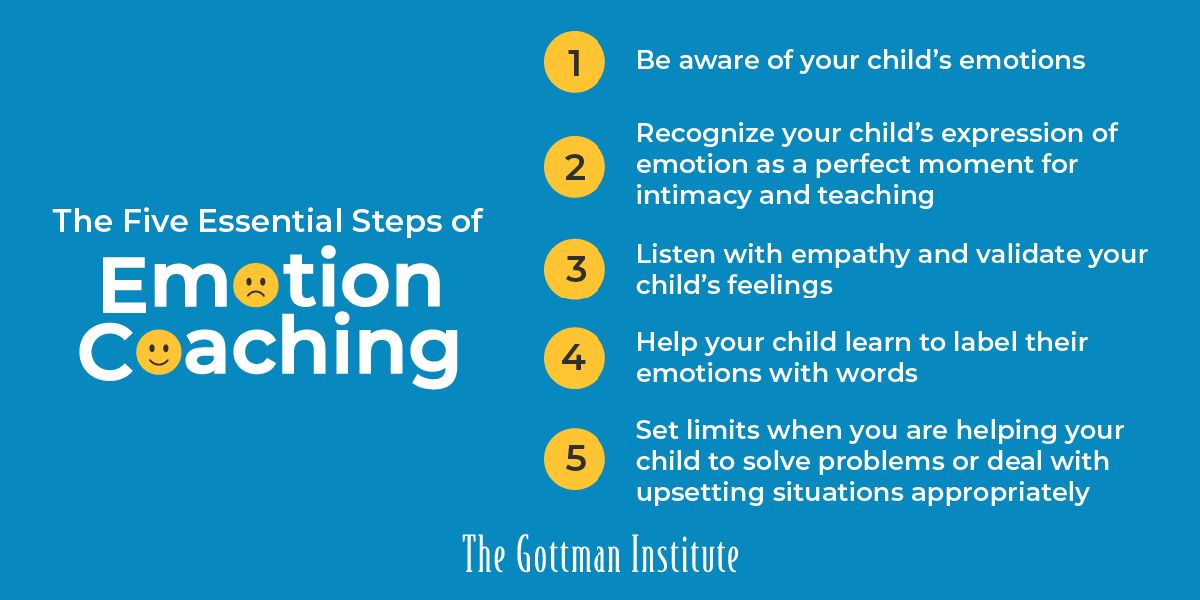









 Balance Your Health