Restorative Yoga for Healing

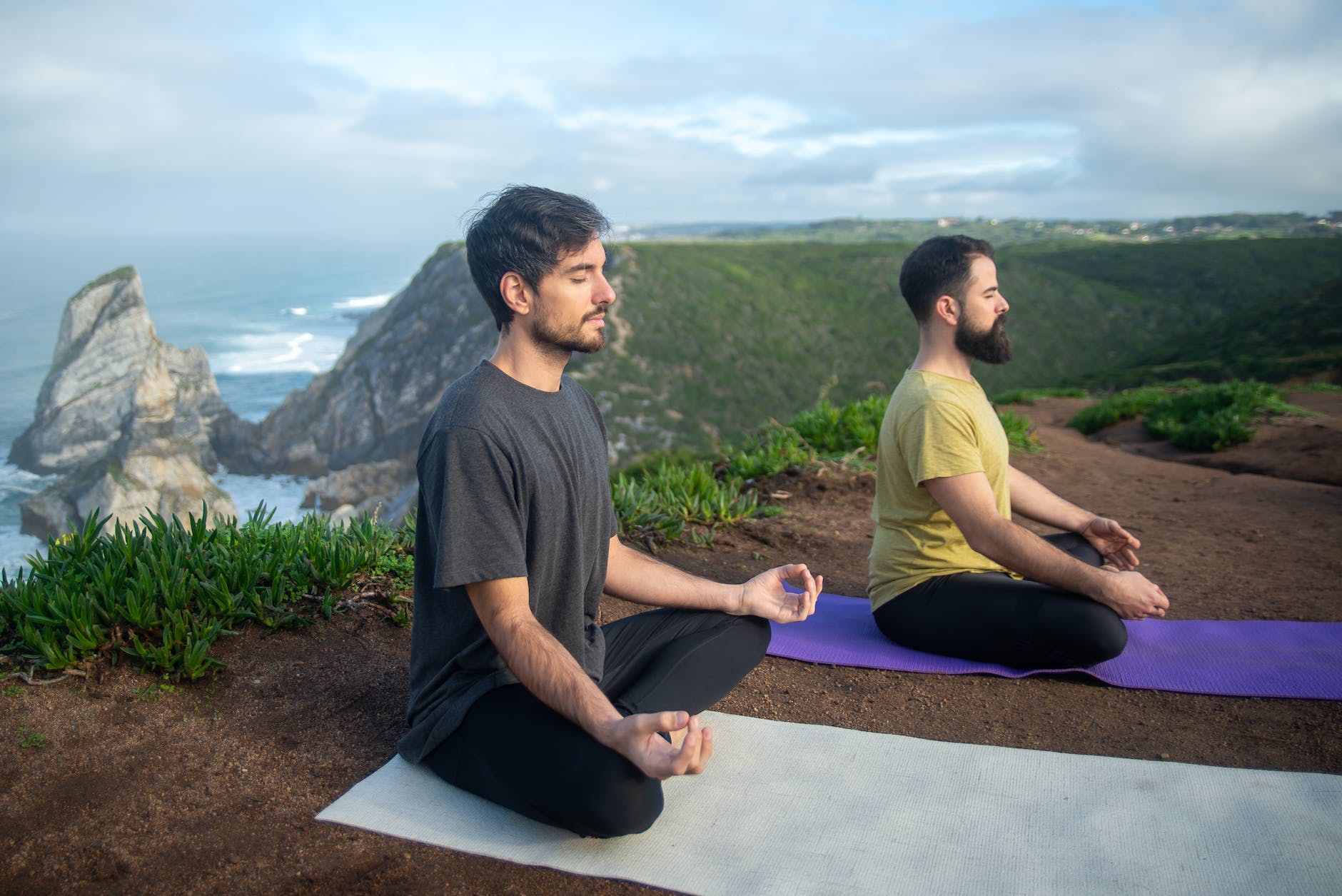
Photo by Kampus Production on Pexels.com

The Healing Power of Restorative Yoga

Yoga has become an increasingly popular practice in recent years, embraced for its ability to strengthen the body and calm the mind. Yet many busy, stressed-out people struggle to feel comfortable in a fast-paced, intense yoga class. If this sounds familiar, restorative yoga may be the perfect solution. This gentle, introspective practice can profoundly benefit your mental, emotional, spiritual, and physical well-being.

In restorative yoga, students use props like blankets, bolsters, and blocks to support the body in restful poses. The poses are held for 5 minutes or more, allowing deep muscular release. Whereas power yoga seeks to challenge your endurance and flexibility, restorative yoga invites you to relax and let go.

Restorative yoga’s long holds and passive nature trigger the parasympathetic nervous system, slowing breathing, lowering blood pressure, and inducing a sense of calm. This makes it an excellent antidote to anxiety and stress. Restorative yoga encourages mindfulness, drawing your awareness to sensations in your body and the quality of your breath. This meditation-like contemplation can provide emotional healing by alleviating feelings like anger, grief, and depression.

On a spiritual level, restorative yoga allows you to open your heart to a sense of inner peace and transcendence. It provides space to restore energy, gain insight into challenges, and reconnect with your true self. The introspective quietude of this practice enables you to go inward and experience the vastness within.

Physically, restorative yoga promotes healing in numerous ways. The deep relaxation response it evokes releases muscle tension and encourages natural alignment. This can alleviate chronic pain and improve flexibility. Restorative postures also activate the lymphatic system, enhancing immunity. As you release physical holding patterns, energy flows more freely through your body, bringing vitality.

In our hurried, pressure-filled world, restorative yoga offers permission to slow down and be nurtured. Restorative yoga can facilitate healing on every level through gentle opening, mindful stillness, and body-centered awareness. Give yourself the gift of this rejuvenating practice and observe its power to restore your natural health and wholeness.

To a Continuous Healing and Transformative Journey, Kevin

Kevin Brough – Ascend Counseling & Wellness – Ascendcw.com – 435.688.1111kevin@ascendcw.com

Creative Therapy

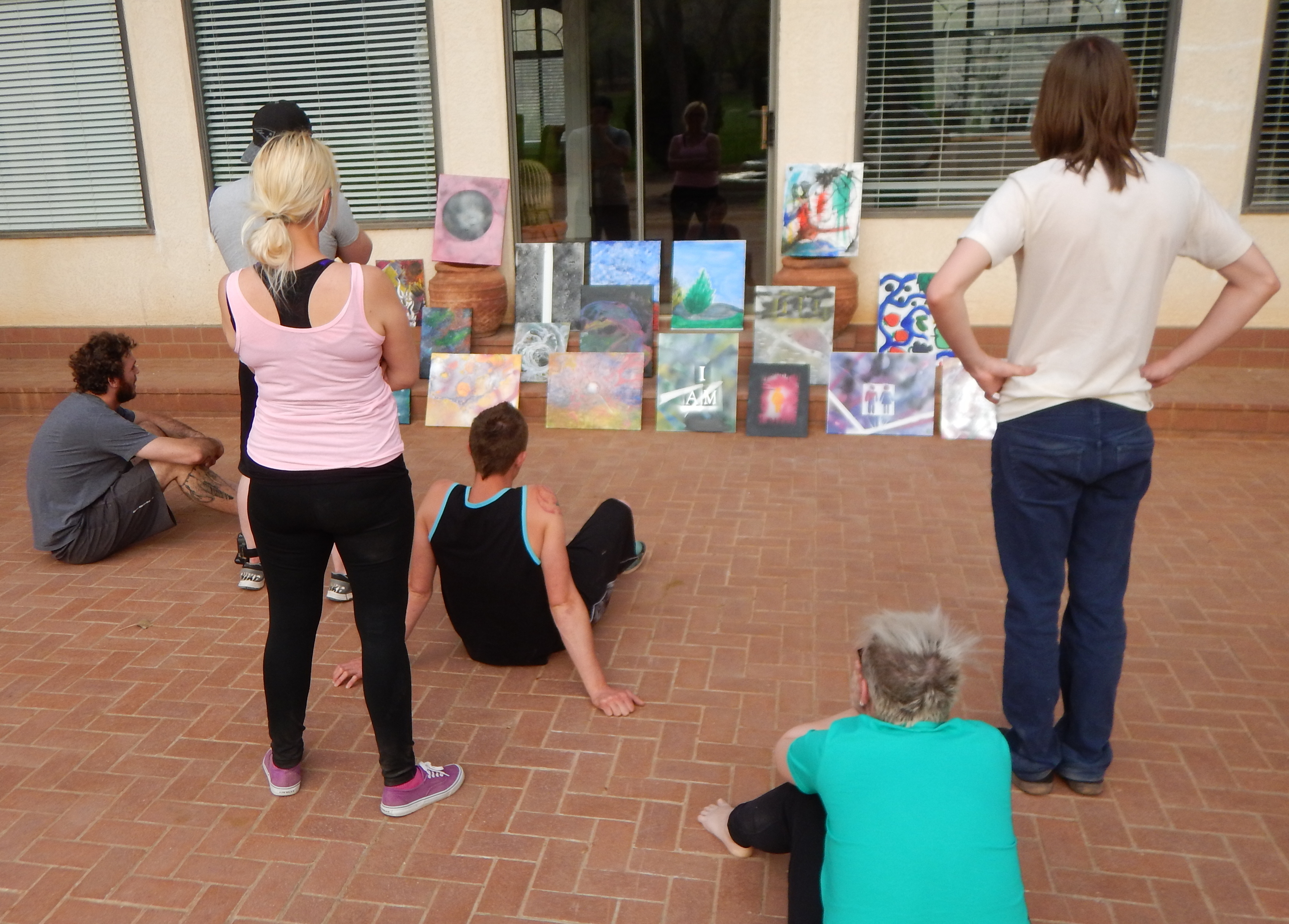
(RAZ) Recovery Through Art

Creative or Expressive Therapy

Expressive therapy, also known as the expressive therapies, expressive arts therapy or creative arts therapy, is the use of the creative arts as a form of therapy. Unlike traditional art expression, the process of creation is emphasized rather than the final product. Expressive therapy is predicated on the assumption that people can heal through use of imagination and the various forms of creative expression.

Art therapy is a mental health profession in which clients, facilitated by the art therapist, use art media, the creative process, and the resulting artwork to explore their feelings, reconcile emotional conflicts, foster self-awareness, manage behavior and addictions, develop social skills, improve reality orientation, reduce anxiety, and increase self-esteem.

At The Retreat At Zion (RAZ) we are seeing miraculous healing and recovery
through art!!!!!!!!!
Kevin  Brough

Adversity

Eagle Crag Header

Each person’s peace and happiness, both now and long term, may depend largely on his or her responses to the trials of life.

Adversity and trials come from different sources. (1)Trials may come as a result or consequence of a person’s own decisions and actions. These trials can be avoided through learning from mistakes and taking the right actions. (2)Other trials are simply a natural part of life and are not a result of any poor decisions and in fact may come at times when people are doing their best. For example, people may experience trials in times of sickness, uncertainty, or from the deaths of loved ones. (3)Adversity may sometimes come because of others’ poor choices, hurtful words, and actions.

How we face adversity will determine the long term outcome of such trials. When we ask questions like “Why does this have to happen to me? Why do I have to suffer this now? What have I done to deserve this?” These questions have the power to dominate our thoughts. Such questions can overtake our vision, absorb our energy, and deprive ourselves of the experiences and insights we need to learn and grow from trials and tribulation. Rather than responding in this way, people should consider asking questions such as, “What am I to do? What am I to learn from this experience? What am I to change? Whom am I to help? How can I remember my many blessings in times of trial?”

Different kinds of adversity require different responses. If a person’s trials come because of their own poor choices, he or she should (1) correct the behavior and humbly seek to learn from their mistakes. Remember weakness is not sin. Remorse should be resolved not turned into shame. People who are stricken with illness or other trials may simply need to be (2) patient, positive, and faithful. People who suffer because of others’ words or actions should (3) not take it personally and work toward forgiving those who have offended them, so that the negative energy of anger does not cause more damage than the original offense itself. Victims of abuse however should seek help immediately and set boundaries to prevent future abuse.

Grounding Therapy

redrockheader4

Regularly connecting to the earth’s natural, powerful energy is healing and vital for everyone.

This is why “reconnection” with both the earth itself and our body’s own innate healing abilities is the focus of grounding therapy or earthing. The best part about earthing or grounding is that it’s super simple, completely free and can be done anywhere, at any time. It requires nothing but bare feet and willingness.

The basics of how grounding or earthing works:

  • Your body is a type of electrical circuit. The Earth’s surface possesses a limitless and continuously renewed supply of free or mobile electrons. The Earth’s negative charges can create a stable internal bio-electrical environment for the normal functioning of all body systems which may be important for setting the biological clock, regulating circadian rhythms, and balancing adrenal functions.
  • Your body is naturally able to absorb electrical charges from the earth since your skin acts like a “conductor.” Your feet, have certain points in the balls of your feet that are especially good at receiving the earth’s electricity.
    But because of our modern way of living we are losing touch with the earth’s natural electrical force.
  • The human body is electrical first and chemical second. Our brain, heart beat and neurotransmitter activity, for example, all rely on electrical signals, so when our electrical system is off, so can be certain aspects of our health will be out of balance. being in touch with the planet, the electrical force coming off the earth is able to help lower inflammation and fight free radicals in the body.

Time to hit the beach bare foot, take of your shoes on a hike, or garden bare footed!

Cognitive Bias Modification

Cognitive biases directly affect the way we perceive and process sensory and memory data. Several types of cognitive biases effect how we perceive, think, and feel (Mathews & Mackintosh, 2000).

The specific types of cognitive biases are:

  • Attention Bias explaining how things are seen, heard, and felt, that individuals subconsciously choose to perceive based on their current paradigm and ignore what conflicts with beliefs (Salemink, Hout, & Kindt, 2007). Individuals delete, distort, and generalize data so it aligns with their biases (Salemink et al., 2007).
  • Interpretation Bias is when the sensory data perceived and accepted is interpreted in a way that fits into or supports one’s biases.
  • Memory Bias occurs when individuals recall prior experiences, thoughts, and imagery that supports their current biases (Hertel & Mathews, 2011)).

More emotional individuals may have vulnerabilities to cognitive biases that contribute to more negative processing of the sensory data available and this contributes to emotional distress being more prevalent (Standage, Ashwin, & Fox, 2010). Additionally, modified cognitive biases induce or influence an individual’s emotional state (Hirsch, Mathews, & Clark, 2007). Persistent focus on negative biases in attention, interpretation, and memory are thought to induce these higher levels of emotional vulnerability and more prevalent mood instability (Standage, Harris, & Fox, 2014).

Cognitive Bias Modification (CBM) procedures are designed to modify interpretative biases, and are particularly vulnerable to inducing changes in cognition and mood (Holmes & Mathews, 2005). Many CBM procedures have been developed (Standage, Ashwin, & Fox, 2009), and mood changes tend to be significant following treatments (Standage et al., 2010). Positive or negative CBM depict congruent changes in the emotional response, depending upon the context of stimuli (Mathews & Mackintosh, 2000), thus implying that individuals can be “trained” to manifest particular mood states (Standage etal., 2010).

Social comparison processing may be an important moderator of CBM as people become biased as they conform to social norms (Standage et al., 2014). Just as individuals suffering from depression tend to demonstrate a heightened elaboration on negative stimuli, an intensified predisposition to attend to negative stimuli and engage in rumination is a precursor for clinical disorders (MacLeod & Bucks, 2011). This demonstrates the significance of negative attentional focus contributing to negative biases during the interpretation process. CBM can help with the management of self-regulation and maintenance of debilitating emotional disorders (Joorman, Waugh, & Gotlib, 2015), by utilizing instrumental, strategic control of thought patterns and attention selectivity (MacLeod & Bucks, 2011).

Visual text base CBM procedures have been found to elicit the most significant effect on changing interpretations and moods (Standage et al., 2009). Participants who engaged in visual CBM procedures that appraised positive and negative statements have shown a congruency in their interpretive mood bias, either positive or negative (Holland, Tamir, and Kensinger, 2010). Specifically, CBM participants who read about positive but ambiguous situations, then made more positive decisions, while participants who read about more negative ambiguous scenarios followed with more negative decisions or resolutions (Standage et al., 2009). Therefor, it is concluded that appropriate positive and negative interpretative biases are induced by CBM procedures.

An Excerpt from

Mood Modification in Introverted and Extraverted Personality Types

By

Ashleigh Brinkerhoff

Kevin Brough

Tina Brough

Taylor Sullivan