Gray’s BAS/BIS Theory

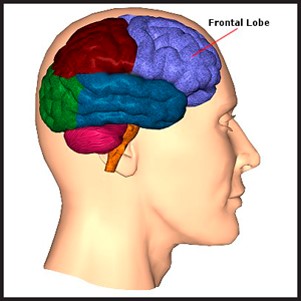
Picture1

  • Proposes that personality is based on the interaction of two basic systems in the brain:

1. Behavioral Activation System (BAS): The accelerator (“hit the gas”)

– Impulsivity, novelty seeking, sensitivity to rewards and motivation to seek rewards.

–Attraction to a person or a cookie and a desire to approach the person or cookie, especially a “new” one?

  • High BAS = Lots of positive affect (PA); Low BAS = Less PA
  • High BAS = Impulsive; Low BAS = Reserved and Careful
  • High BAS = Extraversion; Low BAS = Introversion

BAS = Left Frontal Lobe:

  • Active while experiencing positive emotion (happiness).

2. Behavioral Inhibition System (BIS): “Hitting the brakes”. Sensitivity to potential punishment and motivation to avoid punishment.

–Fear of rejection by someone you fancy or fear of a snake and the motivation to avoid these things comes from this system.

-Avoidance of people, places, and situations that have the perception of causing potential pain?

  • High BIS = negative emotions (fear, anxiety)
  • High BIS = inhibits movement toward goals
  • High BIS = High Neuroticism; Low BIS = Low Neuroticism

But……Low BIS also = High Psychoticism

BIS = Right Frontal Lobe:

  • Active while experiencing negative emotion (fear, anxiety).
  • Active when presented with an incentive.

How does this effect behavior and coping methods? Can it be the underlying mental processing that fuels addictive behavior, especially when deeper obsessive and compulsive patterns emerge?

Cognitive Bias Modification

Cognitive biases directly affect the way we perceive and process sensory and memory data. Several types of cognitive biases effect how we perceive, think, and feel (Mathews & Mackintosh, 2000).

The specific types of cognitive biases are:

  • Attention Bias explaining how things are seen, heard, and felt, that individuals subconsciously choose to perceive based on their current paradigm and ignore what conflicts with beliefs (Salemink, Hout, & Kindt, 2007). Individuals delete, distort, and generalize data so it aligns with their biases (Salemink et al., 2007).
  • Interpretation Bias is when the sensory data perceived and accepted is interpreted in a way that fits into or supports one’s biases.
  • Memory Bias occurs when individuals recall prior experiences, thoughts, and imagery that supports their current biases (Hertel & Mathews, 2011)).

More emotional individuals may have vulnerabilities to cognitive biases that contribute to more negative processing of the sensory data available and this contributes to emotional distress being more prevalent (Standage, Ashwin, & Fox, 2010). Additionally, modified cognitive biases induce or influence an individual’s emotional state (Hirsch, Mathews, & Clark, 2007). Persistent focus on negative biases in attention, interpretation, and memory are thought to induce these higher levels of emotional vulnerability and more prevalent mood instability (Standage, Harris, & Fox, 2014).

Cognitive Bias Modification (CBM) procedures are designed to modify interpretative biases, and are particularly vulnerable to inducing changes in cognition and mood (Holmes & Mathews, 2005). Many CBM procedures have been developed (Standage, Ashwin, & Fox, 2009), and mood changes tend to be significant following treatments (Standage et al., 2010). Positive or negative CBM depict congruent changes in the emotional response, depending upon the context of stimuli (Mathews & Mackintosh, 2000), thus implying that individuals can be “trained” to manifest particular mood states (Standage etal., 2010).

Social comparison processing may be an important moderator of CBM as people become biased as they conform to social norms (Standage et al., 2014). Just as individuals suffering from depression tend to demonstrate a heightened elaboration on negative stimuli, an intensified predisposition to attend to negative stimuli and engage in rumination is a precursor for clinical disorders (MacLeod & Bucks, 2011). This demonstrates the significance of negative attentional focus contributing to negative biases during the interpretation process. CBM can help with the management of self-regulation and maintenance of debilitating emotional disorders (Joorman, Waugh, & Gotlib, 2015), by utilizing instrumental, strategic control of thought patterns and attention selectivity (MacLeod & Bucks, 2011).

Visual text base CBM procedures have been found to elicit the most significant effect on changing interpretations and moods (Standage et al., 2009). Participants who engaged in visual CBM procedures that appraised positive and negative statements have shown a congruency in their interpretive mood bias, either positive or negative (Holland, Tamir, and Kensinger, 2010). Specifically, CBM participants who read about positive but ambiguous situations, then made more positive decisions, while participants who read about more negative ambiguous scenarios followed with more negative decisions or resolutions (Standage et al., 2009). Therefor, it is concluded that appropriate positive and negative interpretative biases are induced by CBM procedures.

An Excerpt from

Mood Modification in Introverted and Extraverted Personality Types

By

Ashleigh Brinkerhoff

Kevin Brough

Tina Brough

Taylor Sullivan
Self Sustainability

HRP Elements 3

Nature combines the elements of Earth, Water, Fire, and Wind to create beauty and abundance in a self sustaining bio diverse way. Through exposure to light and air growth occurs.

Humans thrive in a similar fashion! Through accessing and using innate resources combined with breath and light, growth and contribution will manifest. When an individual chooses to live in a healthy self sustaining way resources are built, not burned. Wake up! Revive from unconscious living and reclaim who you are, full purpose, and deep meaning.

Be your true self, “the world needs you”. Human diversity is necessary for the self sustainability of humanity. The sacred tree of life will grow and nurture all, as we live in a more symbiotic manner.

Reclaim Yourself and Revive Your Life!
As we revive mother earth and return natural bio-diversity to the land, the work and intent also touches and revives the “Soul” of everyone involved.

The Human Revival Project is about making the simple things in life sacred.

The Human Revival Project is about communion with the land and the Creator, while reclaiming, creating, and supporting natural balance in our selves and in our lives.

It is time to “REVIVE” who we really are and start living authentically.

Get your VIVE* back! (*Life & Vibe)

Join our project. Join our mission.

Kevin at http://www.retreatatzion.com

The Sacred Path

Our “SACRED JOURNEY” – Is A Holistic (Soulistic) experience of reclamation and transformation that starts with integration of all parts of ourselves into our complete and whole soul. This approach creates ultimate health of “Heart, Mind, Body & Spirit. Taking Actions, Developing Skills, and Harnessing Mental Processes that “Make A Real Difference” in our behavior and lives. When we are congruent and honor who we truly are we own and see our highest self and align with inner wisdom to be that person one step at a time.

This is a process that can bring “Clarity” and Courage to:

  • “Realize” – Where you’re at
  • “Visualize” – What you really want
  • “Strategize” – How to create change to get there
  • “Actualize” – Your plan, step by step for better results
  1. Start with the (physical), Cellular Balance builds a foundation for complete Body Balance.
  2. This physical balance leads the way for total Inner Balance (integrating emotional, mental and spiritual health with that of the body).
  3. All this allows the optimum Life Balance you seek.

Continued treatments using complementary and alternative modalities along with the best current medical support will reinforce a permanent chemical change in mind and body and will allow the electrical synapse system of the MindBody to rewire itself back to healthy patterns and the natural energy flow to heal and return us to our natural adaptability and flexibility.

Healing on a cellular level allows you the opportunity to take back your health, wellness and fitness. It will require a lot of hard work to change daily behavior patterns to those that will support continued healing, recovery, and optimum health to return. We need to include the following in our daily actions and activities.

  • Proper Nutrition, Rest, and Sleep
  • Exercise
  • Healthy activities and recreation
  • Self Care
  • 12 step meetings
  • Therapy
  • Creativity and Grounding Activities
  • Prayer and Meditation
  • Service and connection
  • & of course “Continued Abstinence” from what enslaved you!

These valuable investments of time and energy into ourselves will support the journey from Cellular Health and Balance to Physical Health and Balance. From Physical Health to adding complete inner balance and (Emotional, Mental, and Spiritual Health) for a Whole and Balanced Soul. Once we achieve this inner balance, peace and wholeness our higher path will lead to a life balance filed with the joy, love, meaning and the fulfillment we desire. With growth and contribution comes contentment and love.

Inner Voice IV

redrockheader3

Part IV of a series on Empowering Language Patterns:

Get rid of the word “TRY” in your vocabulary. “Try” pre-frames going through the motions. It gives us not only permission to fail but permission to exert efforts of far less than 100%.

Quit using the word CAN’T or add to the word can’t…“do it yet” which shifts it to the place of possibilities instead of no possibility. Ask yourself …What would happen if I could? What will happen when I do? This will shift the negative limiting belief as you visualize or imagine!

STAY AWAY FROM GENERALIZATIONS – they are all lies… “always” and “never” “hardly ever” are absolutes that only exist in our mind. Generalizations discount our belief in our personal possibilities. They also undercut our faith in humanity and the power to change and grow.

Remove the word “DON’T” from our speech patterns, because whatever happens next in the sentence comes across as a command to “do it”   Example, “Don’t stop” “Don’t tell” “Don’t eat the cake” This is literally how our brain functions. Our brain dysfunctions in regular patterns. We fool our brain all the time and it fools us!

Examples of brain dysfunction:

  • Negative hallucinations – (not seeing , hearing or feeling what is there) Honey, where are the keys. What did you do with the keys?
  • Positive hallucinations – (seeing, hearing or feeling what is not real) imagine someone is talking about us…. imagine the boogie man under the bed.
  • Time distortions – The three hours waiting in line at the bank was really 30 minutes, or the 5 hours at the wonderful party seemed like 30 minutes.

“The fact that we already fool ourselves, means we are capable of doing it in a positive way. We already have these skills, we just need to use them to our benefit.”

LETS LEARN TO HAVE OUR BRAIN SUPPORT OUR EFFORTS INSTEAD OF SABOTAGE THEM!

Inner Voice III

redrockheader2

Part III of a series on Empowering Language Patterns:

Get rid of the word SHOULD.

Using statements like I should meditate…. solicit guilt, rebelliousness and maybe even shame…Thoughts like “Dammit why didn’t I, I was supposed to!!” soon follow. These shame and fear based thought patterns do not take you to a powerful place, but often undermine motivation and positive intentions/thinking.

Find another word that elicits better responses:

Wish – won’t motivate most people

I would like to – nope won’t bring urgency

I need to – not quite there to bring about action

I want to – getting closer to a commitment

I have to – to authoritarian for most (defensiveness and rebellion follow)

I must – sounds too desperate

I am going to – will work for some.. gives me a way out…

I will – a personal agreement is made…much closer to getting me to do it (I can visualize it and imagine myself doing it, and based on that feeling and imagery I actually may do it!)

Another powerful method is to take what you want to do and turn it into an action verb.

“I am meditating tomorrow morning at 7 AM”.     This should cause you to imagine not only doing it but the positive feeling, results, and benefits of doing it.

Questions: Do I see myself doing it in a certain place? Is it a movie, a video or a still picture? If it is a still picture, then I want to find better wording!  I am meditating tonight! Turns it into a video clip. You can play with words and get it into a vibrant, colorful movie which will flow ( a little short movie) – chances are that you are 10 times more likely to do it. An emotional/physical state of being shift actually occurs and you can see the benefits of what you will gain from that, and then make a decision or commitment to do it.. The more detail to your imagery and the deeper you see, hear, feel, taste, and smell the difference the more energy you will have in your motivation to take action.

We do this from the negative side too creating negative video tapes…but the more positive imagery tapes we make to offset the negative the more empowered we will be to take right actions!