Inner Journey to Wellness
THOUGHT OF THE DAY
Source: THOUGHT OF THE DAY


The Way we see the Problem, often is the Problem
Happy National Kick Butts Day!!! – What are you doing to kick the habit?
How culture can help a city rebuild after tragedy
Curator Rainey Tisdale shares three ways in which cities can use culture to foster resiliency after even the worst tragedy.
Brain Injury & Addiction

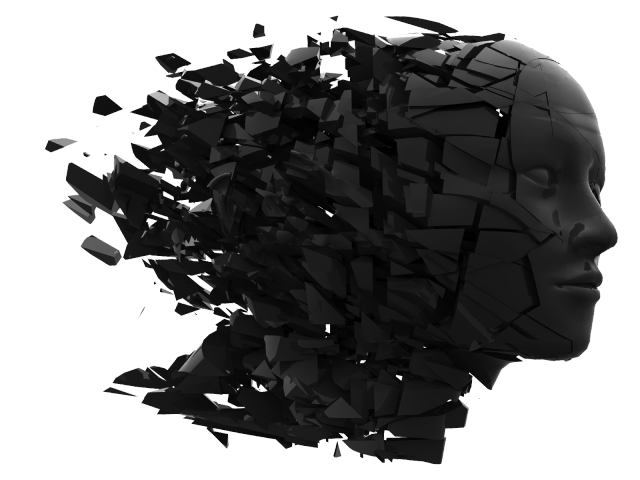 A brain injury can happen anytime, anywhere to anyone. Brain injuries do not discriminate. An injury that happens in an instant can cause a lifetime of physical, cognitive and behavior challenges. The Centers for Disease Control and Prevention (CDC) estimates that at least 5.3 million Americans currently have a long-term need for help to perform activities of daily living as the result of a traumatic brain injury (TBI).
Mixing Alcohol and Drugs with a Brain Injury
There are many reasons why using drugs and alcohol after a brain injury is not recommended. Here are a few of the key reasons:
- Alcohol and other drugs impair a brain’s ability to heal after an injury, slowing recovery.
- Brain injuries cause problems with balance, walking, or talking that get worse when a person uses alcohol or other drugs.
- Brain injuries cause problems with concentration and memory, and using alcohol or other drugs makes…
View original post 320 more words
Common Nature
 True gentleness is founded on a sense of what we owe to him who made us and to the common nature which we all share. It arises from reflection on our own failings and wants, and from just views of the condition and duty of man. It is native feeling heightened and improved by principle. Hugh Blair
Adversity

Each person’s peace and happiness, both now and long term, may depend largely on his or her responses to the trials of life. Adversity and trials come from different sources. (1)Trials may come as a result or consequence of a person’s own decisions and actions. These trials can be avoided through learning from mistakes and taking the right actions. (2)Other trials are simply a natural part of life and are not a result of any poor decisions and in fact may come at times when people are doing their best. For example, people may experience trials in times of sickness, uncertainty, or from the deaths of loved ones. (3)Adversity may sometimes come because of others’ poor choices, hurtful words, and actions.
How we face adversity will determine the long term outcome of such trials. When we ask questions like “Why does this have to happen to me? Why do I have to suffer this now? What have I done to deserve this?” These questions have the power to dominate our thoughts. Such questions can overtake our vision, absorb our energy, and deprive ourselves of the experiences and insights we need to learn and grow from trials and tribulation. Rather than responding in this way, people should consider asking questions such as, “What am I to do? What am I to learn from this experience? What am I to change? Whom am I to help? How can I remember my many blessings in times of trial?”
Different kinds of adversity require different responses. If a person’s trials come because of their own poor choices, he or she should (1) correct the behavior and humbly seek to learn from their mistakes. Remember weakness is not sin. Remorse should be resolved not turned into shame. People who are stricken with illness or other trials may simply need to be (2) patient, positive, and faithful. People who suffer because of others’ words or actions should (3) not take it personally and work toward forgiving those who have offended them, so that the negative energy of anger does not cause more damage than the original offense itself. Victims of abuse however should seek help immediately and set boundaries to prevent future abuse.
 Balance Your Health