
Building Emotionally Intelligent Children: Where Gottman Meets The Parenting Pyramid
As parents, we’re constantly seeking frameworks that help us raise children who are not only successful but genuinely happy and emotionally healthy. Two powerful approaches have shaped my understanding of effective parenting: John Gottman’s research on emotional intelligence in children and The Arbinger Institute’s revolutionary Parenting Pyramid. When combined, these methodologies create a comprehensive roadmap for nurturing emotionally intelligent, self-aware children.
The Foundation: Understanding Our Own Heart
The Arbinger Institute’s Parenting Pyramid places “heart” at its foundation – the recognition that our internal state as parents fundamentally shapes our children’s development. This aligns perfectly with Gottman’s emphasis on parents becoming “emotion coaches” for their children. Before we can guide our children through their emotional landscape, we must first examine our own.
When we’re in what Arbinger calls the “box” – viewing our children as objects rather than people – we unconsciously transmit this energy to them. Our children sense when we see them as problems to be solved, projects to be completed, or reflections of our own success or failure. This objectifying mindset creates emotional distance and prevents the very connection that Gottman identifies as essential for emotional coaching.
The path forward requires us to step out of the box and see our children as whole people with their own hopes, fears, dreams, and legitimate needs. This shift in perspective creates the emotional safety necessary for authentic connection and learning.

The Framework: Gottman’s Emotion Coaching
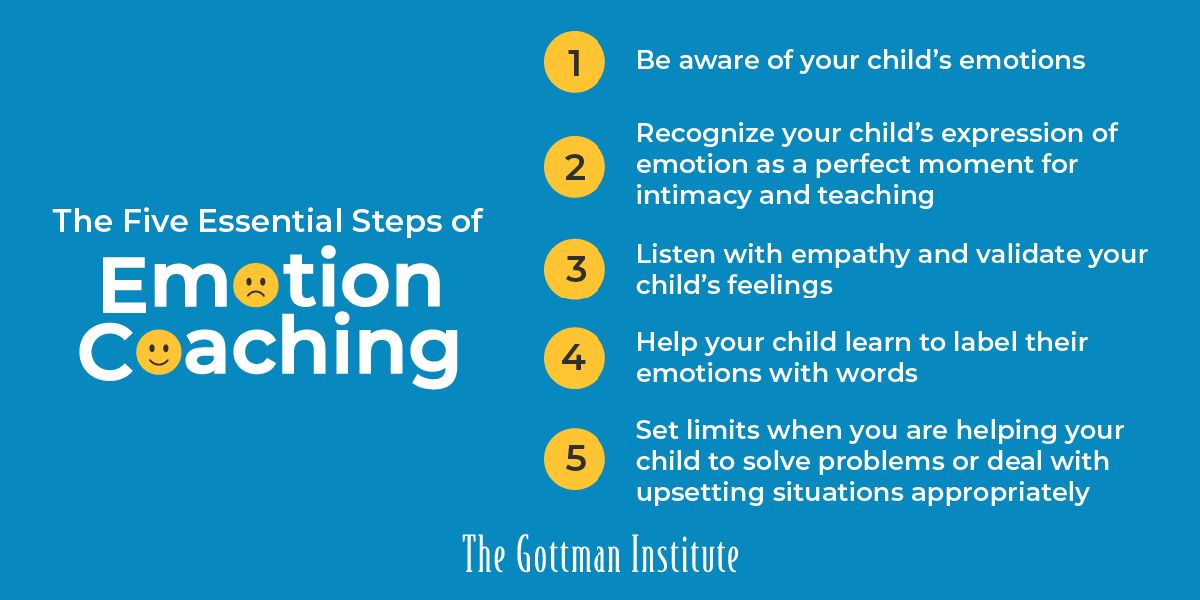
Gottman’s research reveals that emotionally intelligent children have parents who serve as emotion coaches. These parents follow a five-step process:
- Becoming aware of emotions – both their own and their children’s
- Recognizing emotions as opportunities for connection and teaching
- Listening empathetically and validating their child’s feelings
- Helping children label emotions and understand their emotional vocabulary
- Setting limits while problem-solving together
This process only works when built on the foundation of genuine care for our children as people, not just as recipients of our parenting techniques.
The Integration: Seeing Through Clear Eyes
When we combine these approaches, we discover that effective emotional coaching requires us to be “out of the box” in our fundamental orientation toward our children. Consider this scenario:
Your eight-year-old comes home from school upset because a friend excluded them from a group activity. If we’re in the box, we might:
- Immediately jump to problem-solving mode
- Minimize their feelings (“You’re being too sensitive”)
- Make it about us (“This reflects poorly on how I’ve raised you”)
- Focus on changing the child rather than understanding them
But when we’re out of the box, seeing our child as a person with legitimate feelings, we can engage in authentic emotion coaching:
Awareness: We notice our child’s emotional state and our own reaction to it.
Opportunity: We recognize this as a chance to deepen our connection and help our child develop emotional skills.
Empathy: We listen fully, validating their experience: “That sounds really hurtful. It makes sense that you’d feel left out.”
Labeling: We help them identify and articulate their emotions: “It sounds like you’re feeling disappointed and maybe a little angry too.”
Problem-solving: Together, we explore ways to handle similar situations in the future while maintaining appropriate boundaries.
The Transformation: From Technique to Relationship
The magic happens when we realize that emotional intelligence isn’t something we teach our children – it’s something we model and co-create with them. When our hearts are right, when we genuinely see our children as people worthy of respect and understanding, the techniques become natural expressions of our care rather than manipulative tools.
This integration requires us to:
Examine our motivations regularly: Are we emotion coaching because we genuinely want to help our child, or because we want to appear like good parents? The energy behind our actions matters more than the actions themselves.
Practice self-regulation: We cannot teach emotional intelligence while we’re emotionally dysregulated. Taking time to center ourselves before engaging with our children’s emotions is crucial.
Embrace the learning process: Both we and our children are learning to navigate emotions together. Perfection isn’t the goal – connection and growth are.
The Daily Practice: Small Moments, Big Impact
Emotional intelligence develops through countless small interactions rather than grand gestures. When we maintain an out-of-the-box heart toward our children, we naturally create more opportunities for emotional coaching:
- The bedtime routine becomes a time for emotional check-ins
- Car rides transform into safe spaces for sharing feelings
- Conflicts become opportunities for teaching rather than battles to be won
- Mistakes become learning moments rather than failures
The Long-term Vision: Raising Emotionally Intelligent Adults
When we consistently approach our children from this integrated perspective, we’re not just helping them manage their current emotions – we’re building the foundation for their future relationships, their resilience in facing life’s challenges, and their capacity to make meaningful contributions to the world.
Children who grow up with parents who see them clearly and coach them emotionally develop:
- Strong self-awareness and emotional vocabulary
- Healthy relationship skills
- Resilience in facing difficulties
- Empathy for others
- Confidence in their ability to navigate life’s complexities
The Invitation: Start Where You Are
You don’t need to be perfect to begin this journey. Start by examining your own heart. In your next interaction with your child, pause and ask yourself: “Am I seeing them as a person right now, or as a problem to be solved?” Let that awareness guide you toward more authentic connection.
Remember, the goal isn’t to raise children who never feel difficult emotions – it’s to raise children who can navigate their emotional world with wisdom, compassion, and resilience. When we combine the clear vision of an out-of-the-box heart with the practical tools of emotion coaching, we create the conditions for our children to thrive emotionally and relationally.
The path to raising emotionally intelligent children begins with our own transformation. As we learn to see our children clearly and coach them with genuine care, we discover that we’re not just shaping their emotional development – we’re deepening our own capacity for love, understanding, and authentic connection.
Kevin Brough – Ascend Counseling & Wellness – Ascendcw.com – 435.688.1111
 Balance Your Health